What Are the Benefits of Metal Coating for Your Products?
Metal coating plays a crucial role in enhancing the durability and aesthetic appeal of products across various industries. According to a recent report by MarketsandMarkets, the global metal coating market is projected to reach USD 30.02 billion by 2025, reflecting a compound annual growth rate (CAGR) of 5.4%. This growth indicates a rising acknowledgment of metal coating as a key factor in product longevity and performance.
The application of metal coating is not merely a superficial enhancement. It provides essential benefits, such as corrosion resistance and improved wear properties. Companies using metal coatings report a substantial increase in product lifespan. For example, automotive parts coated with metal coatings often exhibit a 50% longer functional life compared to uncoated options. These numbers demonstrate the tangible value of investing in quality metal coating technologies.
Yet, despite these advantages, challenges remain in the effective application and selection of coatings. Variability in environmental conditions and substrate compatibility can impact the performance of metal coatings. Professionals must navigate these complexities to achieve the desired results. The evolution of metal coating technologies continues to shape industry standards, underscoring the importance of expertise in selecting the right processes for specific applications.
Types of Metal Coatings Used in Industrial Applications
Metal coatings play a crucial role in industrial applications. Several types of coatings are commonly used, each suited for specific needs. One popular option is galvanization. This process applies a zinc coating to steel. It improves corrosion resistance. According to the American Galvanizers Association, galvanized steel can last up to 70 years when properly maintained.
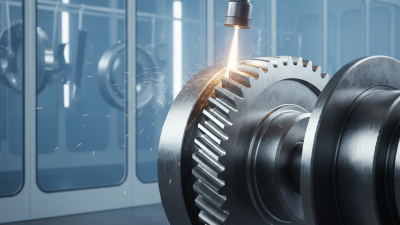
Another significant type is thermal spray coatings. This method involves spraying molten or semi-molten materials onto a surface. Materials like ceramic and metal are often used. These coatings enhance wear resistance and thermal performance. Research indicates that thermal spraying can increase the lifespan of components by as much as 50%.
Electroplating is also widely utilized. It involves depositing a layer of metal on a substrate through electrolysis. This process improves surface hardness and conductivity. A report by the International Electroplating Association highlights that up to 80% of electrical contacts benefit from this technique. However, challenges remain, such as achieving uniform thickness. This aspect often requires further refinement and monitoring.
Benefits of Metal Coating for Your Products
Benefits of Metal Coating for Corrosion Resistance in Products
Metal coating offers significant advantages in protecting products against corrosion. This process involves applying a layer of metal to surfaces, forming a barrier that prevents environmental damage. Common metals used for coating include zinc, aluminum, and nickel. These coatings create a protective shield, which is essential for products exposed to moisture or chemicals.
Corrosion resistance directly enhances product longevity. For instance, coated steel components in construction withstand rust, which can lead to structural failures. Metal-coated parts used in automotive applications show reduced wear and tear, ensuring better performance over time. However, the effectiveness of a coating can depend on the application method and environmental factors.
While the benefits are substantial, it's crucial to consider potential imperfections in the coating process. Inadequately applied coatings may leave small gaps that expose the underlying material to corrosion. Regular inspection and maintenance are essential to maximize protection. Therefore, users should weigh these factors against the advantages of enhanced durability and lifespan that metal coatings provide.
Enhancing Aesthetic Appeal Through Metal Coating Techniques
Metal coating techniques can significantly enhance the aesthetic appeal of various products. Techniques like electroplating and powder coating not only provide a visually striking finish but also improve durability. According to a report by Mordor Intelligence, the global metal finishing market is expected to grow at a CAGR of 6.8% from 2021 to 2026. This growth highlights the increasing demand for aesthetically pleasing products across multiple industries.
The aesthetic qualities of coated metals can attract customers, influencing purchasing decisions. A well-finished product can convey quality and reliability. For example, the use of vibrant colors or intricate designs made possible by coating processes can elevate the perceived value. However, there are challenges in achieving consistency in finish, and imperfections in coating can impact the final look. The need for skilled professionals and advanced technology underscores the complexity of the process.
While metal coatings can enhance visual appeal, they also require careful consideration of the application. The choice of coating material impacts both aesthetics and functionality. Reports suggest that improper application can lead to peeling or fading, ultimately affecting product longevity. Evaluating these factors is essential for businesses aiming to balance aesthetic appeal with performance.
Cost Efficiency and Longevity: The Economic Advantages of Metal Coating
Metal coating has become a critical process in enhancing product durability and cost efficiency. According to a report by the Coatings Research Institute, implementing metal coatings can increase the lifespan of products by up to 50%. This longevity translates directly to lower replacement costs and reduced maintenance needs. For companies, these savings can significantly improve their bottom line.
Moreover, metal coatings can enhance performance by providing resistance against corrosion and wear. The National Association of Surface Finishers states that industries utilizing coating technology have seen a reduction in operational costs by nearly 30%. This is particularly beneficial in sectors like automotive and aerospace, where materials undergo constant stress.
However, the initial investment in metal coating technologies can be a barrier for some businesses. While the long-term benefits are substantial, not all companies are prepared for the upfront costs. Some may question if the investment aligns with their overall financial strategy. This hesitation often leads to missed opportunities for improved efficiency and profitability in the long run. Balancing the immediate costs with future savings requires careful consideration.
Environmental Considerations and Sustainability in Metal Coating Processes
Metal coating processes can greatly impact the environment. They often involve chemicals that can be hazardous if not managed properly. Sustainable practices are crucial in modern manufacturing. Companies must seek eco-friendly alternatives to traditional coatings. For instance, water-based coatings are less toxic than solvent-based options. This shift can reduce pollutants significantly.
Adopting sustainable practices isn't just good for the planet; it can also benefit businesses. Many clients prefer working with environmentally responsible suppliers. Using energy-efficient techniques in metal coating can lower production costs. This approach may lead to a longer lifespan for coated products, reducing waste.
Choosing the right coating method matters. Powder coating is a sustainable option. It generates minimal waste and contains no solvents. Researching various methods helps in making informed decisions. Always consider the materials and their environmental impact. Strive for a balance between performance and sustainability in the metal coating industry.