10 Essential Tips for Designing a Steel Frame Building

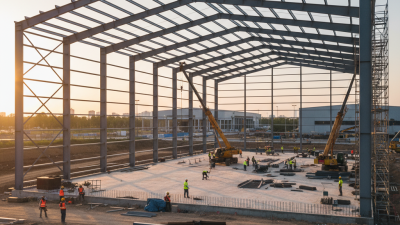
Designing a steel frame building presents unique challenges and opportunities. This modern construction method offers strength and flexibility. Consequently, it has become a popular choice for various structures. However, designing such buildings requires careful planning and attention to detail.

Understanding the design principles is essential. Structural stability must be prioritized. Engineers often face difficulties while working with different materials and loads. Moreover, the aesthetic appeal of a steel frame building can sometimes clash with functionality. Balancing these elements is crucial for a successful project.

As you embark on your steel frame building journey, consider these essential tips. They not only enhance design efficiency but also help address potential pitfalls. Keep in mind that every design decision impacts the overall integrity of the building. Reflecting on past mistakes can lead to improved outcomes in your future projects.
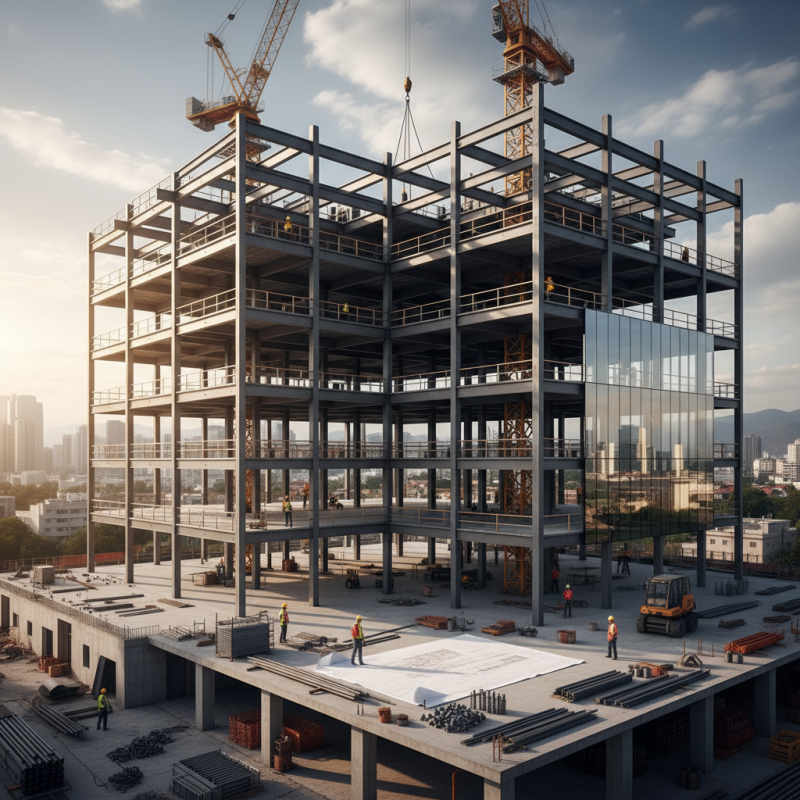
10 Essential Tips for Designing a Steel Frame Building

Understanding the Basics of Steel Frame Construction

Steel frame buildings offer strength and flexibility. Understanding the basics of steel frame construction is crucial. Steel structures can withstand severe weather. They are also lightweight compared to concrete. This means easier transport and quicker assembly. Choose the right steel grade for your project. This decision impacts durability and performance.

When designing, consider your building's purpose. Different uses require various designs. Think about load requirements early in the process. Imagine how much weight the structure will support. Plan for future expansions if needed. Design flexibility can save costs later.

One key tip: always consult with experienced professionals. Mistakes can be costly and time-consuming. Review all designs and specifications thoroughly. Sometimes, a fresh set of eyes can catch errors. Steel frame construction is complex. It demands precision and attention to detail. Don't rush through critical phases. Remember, planning prevents major setbacks.

Key Considerations in Site Selection for Steel Frame Building

When selecting a site for a steel frame building, several factors should guide your decision. Soil conditions play a crucial role. Ensure the ground can support heavy structures. Conduct a detailed soil analysis. Poor soil can lead to costly foundation issues later. Look for sites with appropriate drainage; water pooling can weaken foundations.

Access to utilities is another important aspect. Check for electricity, water, and sewage systems nearby. Insufficient access can delay your project. Proximity to transport routes also matters. An ideal location is near major roads. This enhances logistics for materials and labor.

Don’t forget local regulations. Different areas have unique zoning laws. Not checking these can lead to delays. Consider the environment and surrounding community too. A site that disrupts local ecosystems can face opposition. Each of these points shapes your project’s success. Planning well from the start is critical. Ignoring details can lead to larger problems down the road. Addressing them upfront saves headaches later.

Essential Design Elements for Structural Integrity and Safety

When designing a steel frame building, structural integrity and safety are paramount. According to the American Institute of Steel Construction, steel offers high strength-to-weight ratios. This characteristic significantly enhances the overall safety of structures. Yet, failure to consider proper design can lead to catastrophic consequences.

Tip: Ensure proper connections. The joints between steel members are critical. Poorly designed connections can weaken the overall structure and create points of failure.

Incorporating redundancy into the design is essential. A study by the National Institute of Standards and Technology highlights that structural failures often occur when systems lack backup support. For example, a single point of failure can lead to a complete collapse in extreme conditions.

Tip: Utilize structural analysis software. This technology can help identify potential weaknesses. However, relying solely on software can lead to oversight. Human intuition and experience play a crucial role in the design process. Balancing technology with expert insight is vital.

10 Essential Tips for Designing a Steel Frame Building

Choosing the Right Materials for Steel Frame Building Projects

Choosing the right materials is crucial for steel frame building projects. Steel's strength-to-weight ratio makes it an ideal choice. According to a report by the American Institute of Steel Construction, steel structures can withstand extreme loads better than other materials. Yet, not all steel is created equal. Understanding the differences between structural steel grades is essential. Some grades resist corrosion better, while others are more ductile.

While steel is durable, it can be expensive. The cost of raw steel fluctuates significantly. Industry reports indicate that steel prices have seen a 30% increase in the last year alone. This volatility can impact project budgets. Designers must factor in material costs early in the planning process.

Other materials play a vital role too. Concrete, for example, is commonly paired with steel for added stability. However, selecting the right concrete mix is complex. Factors like local climate and load requirements matter. There can be a temptation to cut corners on material quality to save costs. This often leads to issues down the line, like structural weaknesses or the need for costly repairs.

10 Essential Tips for Designing a Steel Frame Building

Tip Number Tip Description Material Considerations Cost Implications
1 Choose the Right Steel Grade High-strength steel for increased durability Higher initial cost but lower maintenance over time
2 Consider Environmental Impact Recycled steel options May incur higher cost for eco-friendly certifications
3 Opt for Prefabricated Components Factory-made steel sections Reduces on-site labor costs
4 Design for Load-Bearing Capacity Calculate loads accurately for beams and columns Can affect structure safety if underestimated
5 Incorporate Sustainability Features Green insulation materials Initial investment might be higher
6 Plan for Future Expansion Modular design for easy modifications Can save costs in long-term growth
7 Ensure Proper Fabrication and Welding Quality structural welding standards Improper techniques lead to costly repairs
8 Utilize Advanced Software for Design BIM (Building Information Modeling) Software investment but accuracy gains
9 Consider Aesthetic Appeal Custom facades and finishes Can increase overall project costs
10 Collaborate with Structural Engineers Early engagement in the design process Reduces risk of costly changes late in the project

Sustainability Practices in Steel Frame Building Design

10 Essential Tips for Designing a Steel Frame Building

Designing a steel frame building with sustainability in mind is vital. Such structures can significantly reduce environmental impacts. Utilizing recycled steel is a key practice. This not only minimizes waste but also lowers energy consumption. Using locally sourced materials can further reduce the carbon footprint. Transportation emissions are decreased when materials are closer to the construction site.

Water conservation is another essential aspect. Implementing rainwater harvesting systems can effectively manage water usage. Green roofs can enhance insulation and reduce energy need. However, integrating these sustainable features requires careful planning. Engineers must consider the building's overall design and functionality. It's easy to overlook the long-term benefits of these sustainable practices. Many structures still rely on traditional methods, which may not be the best choice for the environment.

Reflecting on the challenges is crucial. Balancing costs with sustainable choices can be difficult. Design teams must face the reality of budget constraints. Compromises may occur. However, prioritizing sustainability leads to a more resilient and responsible building model. Each decision impacts not just the present but future generations as well.