Why is Accurate Pressure Measurement Crucial for Industries?
Accurate Pressure measurement is vital across various industries. It influences product quality, safety, and operational efficiency. Without precise pressure data, companies risk costly errors. For instance, in manufacturing, incorrect pressure can lead to defective products. This often results in wastage and financial loss.
In the oil and gas sector, pressure discrepancies can have dire consequences. Even minor inaccuracies may lead to catastrophic failures. Equipment can malfunction, leading to safety hazards and environmental issues. Proper pressure measurement ensures equipment operates within safe limits, reducing risks significantly.
Moreover, the pharmaceutical industry relies heavily on accurate pressure measurement. It ensures drugs are produced under controlled conditions, maintaining quality standards. Inaccurate pressure can compromise product effectiveness. Thus, organizations must prioritize reliable measurement techniques. Investing in advanced pressure sensors can enhance both precision and safety.
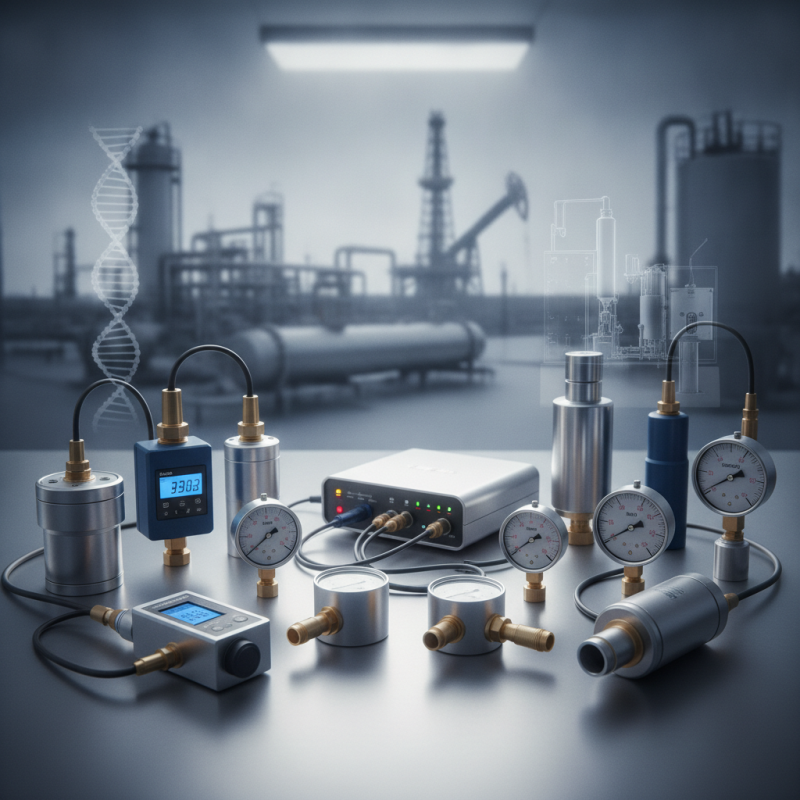
Importance of Pressure Measurement in Industrial Applications
Accurate pressure measurement plays a critical role in various industrial applications. It affects safety, efficiency, and product quality. Minor deviations can lead to significant consequences, such as equipment failures or hazardous conditions. For example, in oil and gas industries, pressure readings dictate the safety of operations. A slight overpressure can rupture pipelines, risking lives and the environment.
In manufacturing, precise pressure control ensures product consistency. Irregular pressure can lead to defects, increasing costs and waste. Workers rely on pressure gauges to monitor systems. However, not all gauges are calibrated correctly. This discrepancy may cause issues that are hard to trace back.
Furthermore, industries must consider the impact of pressure variations on processes. These fluctuations can affect chemical reactions and product outputs. Regular maintenance and evaluation of pressure measuring devices are essential. Many companies overlook this aspect, leading to unintended operational risks. Awareness and expertise in pressure measurement are crucial for sustainable practices.
Types of Pressure Measurement Devices Used in Industries
Accurate pressure measurement plays a vital role in industrial applications. Various pressure measurement devices are vital for ensuring safety and efficiency. For instance, piezoresistive sensors and capacitive pressure transducers are commonly used in many industries. These devices offer precision and reliability. According to a report from the International Society of Automation, improper pressure readings can lead to a 30% increase in operational costs.
Many industries rely on gauges for real-time monitoring. Bourdon tube gauges are frequently used for general pressure readings. They are durable and provide reliable performance. However, sometimes they may not detect rapid pressure changes effectively.
Tips: Regular calibration checks are essential for maintaining accuracy. Consider training staff on proper device usage to minimize errors.
Another critical device is the digital pressure gauge. They offer enhanced readability and data logging options. Some studies suggest that digital devices improve measurement reliability by 25%. However, they are more susceptible to environmental changes. This can lead to inaccuracies if not correctly managed.
Tips: Protect digital gauges from extreme temperatures. Regular maintenance improves their lifespan significantly.
Why is Accurate Pressure Measurement Crucial for Industries? - Types of Pressure Measurement Devices Used in Industries
| Device Type | Measurement Range | Accuracy | Application Areas |
| Manometer | 0 - 1000 kPa | ±1.5% | HVAC, Water Management |
| Pressure Transducer | 0 - 6000 kPa | ±0.5% | Oil & Gas, Chemical Processing |
| Bourdon Gauge | 0 - 400 bar | ±2.0% | Manufacturing, Building Materials |
| Digital Pressure Gauge | -1 to 1000 bar | ±0.1% | Food Processing, Pharmaceuticals |
| Differential Pressure Sensor | 0 - 2500 Pa | ±2.0% | HVAC, Clean Rooms |
Impact of Accurate Pressure Measurement on Safety and Compliance
Accurate pressure measurement plays a pivotal role in various industries, directly impacting safety and compliance. In manufacturing, incorrect pressure readings can lead to equipment failures, posing serious safety risks to workers. A sudden pressure spike may cause explosions or leaks, jeopardizing human life and the environment. Adhering to pressure regulations is not optional; it is essential for operational integrity.
Reliable measurement devices must be selected carefully. Regular calibration ensures they remain accurate. Neglecting this can result in significant deviations, leading to non-compliance with industry standards. Organizations need to implement stringent protocols for pressure monitoring. This includes documenting readings and deviations for future reference.
Tips for maintaining accurate pressure measurements include frequent training for employees. Ensure they understand how to use devices correctly. Another tip is to regularly audit the monitoring system in place. This can help identify potential issues before they escalate. Continuous improvement in measurement techniques not only enhances safety but also builds trust within the organization.
Economic Benefits of Precision in Pressure Measurement for Industries
Accurate pressure measurement is essential for industries. It directly influences product quality, safety, and efficiency. When pressure is measured precisely, companies can prevent costly errors. For instance, in manufacturing, even slight inaccuracies can lead to defects. These defects may result in increased waste and rework. This inefficiency can severely impact a company’s bottom line.
Moreover, precision in pressure measurement fosters better operational control. Industries can optimize processes based on reliable data. This not only enhances productivity but also reduces energy consumption. A well-calibrated pressure system minimizes risks associated with equipment malfunctions. Protective measures, such as safety valves, can be aligned accurately, protecting both workers and machinery.
However, not all industries prioritize this aspect. Some companies overlook the importance of calibration. This neglect can lead to financial losses and compliance issues. Realizing the value of precise measurements can help in creating a culture of accountability. Industries should actively seek expertise in pressure measurement to enhance their operations. Emphasizing education on this topic is vital for driving economic benefits.
Importance of Accurate Pressure Measurement in Industries
Accurate pressure measurement is vital for various industries as it directly affects efficiency, safety, and cost savings. The following chart illustrates the economic benefits of precision in pressure measurement across different sectors.
Challenges and Solutions in Achieving Accurate Pressure Measurements
Accurate pressure measurement is vital for many industries, including oil and gas, pharmaceuticals, and manufacturing. However, achieving precision is often challenging. Technical difficulties can arise from environmental factors, equipment calibration, and operator errors. According to a report by the International Society of Automation, nearly 33% of companies experience inaccurate pressure readings due to inadequate calibration practices. This inconsistency can lead to costly downtimes and safety hazards.
In addition to calibration issues, external factors such as temperature fluctuations can affect pressure measurement accuracy. A study from the American Society for Testing and Materials indicates that temperature changes can lead to measurement deviations of up to 5%. Many industries struggle with these factors, illustrating the need for improved measurement techniques. Simple preventative maintenance steps, such as regular calibration checks, can mitigate some of these challenges.
The use of advanced technologies, like digital sensors and data analytics, offers promising solutions. These innovations help enhance pressure measurement accuracy and reliability. However, many companies are slow to adopt these technologies due to high initial costs and the need for staff retraining. Embracing change in measurement practices can lead to long-term benefits, including improved operational efficiency and safety. Striking a balance between traditional methods and new technologies presents a significant challenge for many industries.