What Are the Latest Trends in Metal Technology for Buyers?
In recent years, the field of metal technology has experienced significant advancements, driven by industry demands for efficiency and sustainability. According to a report by Research and Markets, the global metal technology market is projected to reach $250 billion by 2025, reflecting a compound annual growth rate (CAGR) of 5.8% during this period. Buyers are increasingly focusing on innovative solutions that enhance performance while minimizing environmental impact.
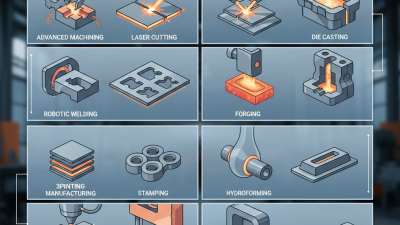
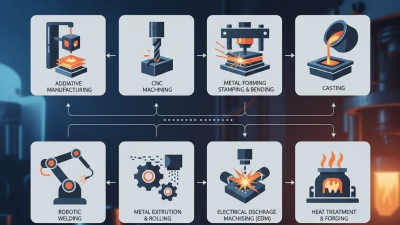
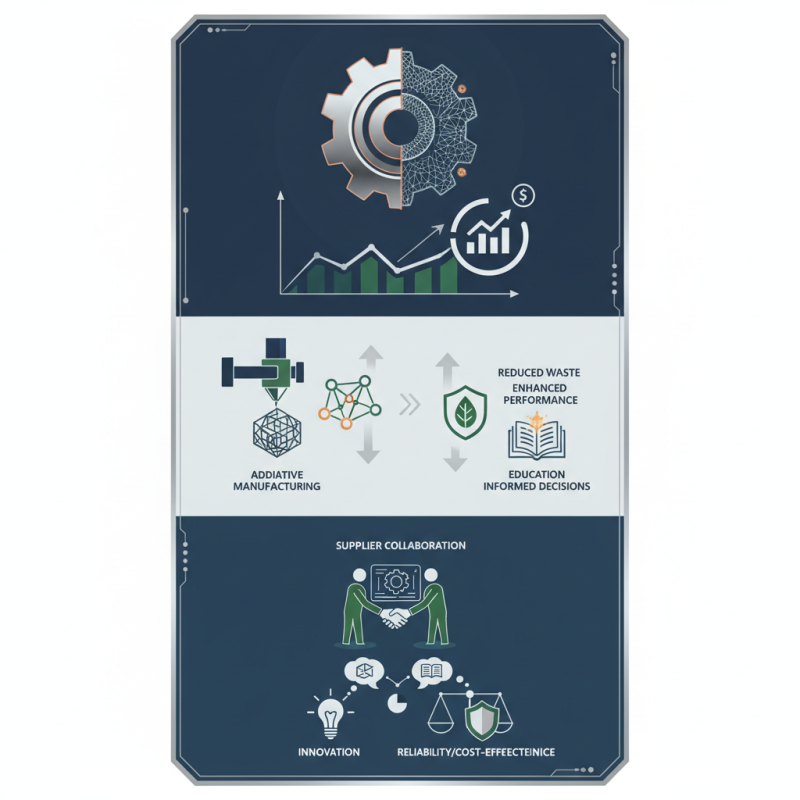
Recent trends indicate a rise in the adoption of additive manufacturing and smart alloys. These innovations provide opportunities to design complex structures with reduced waste. However, many buyers may not fully understand the implications of these technologies. Understanding the advantages and potential challenges is crucial.
As the metal technology landscape evolves, it is also essential to emphasize the importance of supplier collaboration. Building strong relationships with industry leaders can lead to better insights and access to cutting-edge technologies. Buyers must navigate this competitive environment thoughtfully, balancing innovation with reliability and cost-effectiveness. Investing in education on emerging technologies can lead to more informed purchasing decisions.
Emerging Technologies in Metal Production and Processing
Emerging technologies in metal production and processing are shaping the industry. Among these, additive manufacturing has gained traction. This method can reduce waste by up to 90%, allowing for precise metal components. According to a report by SmarTech Analysis, the market for metal 3D printing is expected to exceed $6 billion by 2026. This creates new opportunities for customization and complex geometries.
Another trend is the adoption of automation in metal processing. Robotics and artificial intelligence enhance efficiency and quality control. A study from the International Federation of Robotics noted a 10% year-over-year growth in the use of industrial robots in metal manufacturing. This shift allows for faster production times and consistent output. However, reliance on technology raises concerns about job displacement and the need for new skills.
Sustainability continues to be a focal point in metal technology. Techniques like direct metal laser sintering have emerged, which not only optimize raw material use but also reduce energy consumption. The World Economic Forum reports that optimizing metal recycling could meet 50% of global demand by 2050. Despite these advancements, challenges remain, such as potential trade-offs between sustainability and production costs. The path forward requires careful consideration of these factors.
Sustainable Practices in Metal Recycling and Waste Management
Sustainable practices in metal recycling are gaining traction among buyers. Reports indicate that up to 90% of metals can be recycled. This is a significant reduction in resource consumption. For instance, recycled aluminum uses 95% less energy compared to primary aluminum production. This energy efficiency directly correlates with lower carbon emissions.
Waste management is an essential aspect of the metal recycling process. A study by the World Steel Association shows that recycling steel prevents around 1.5 billion tonnes of CO2 emissions annually. However, challenges remain. Not all metals are easily recyclable, and contamination can reduce recycling efficiency. The industry must invest in better sorting technologies.
Studies indicate that consumer awareness has risen. Buyers increasingly prefer companies that practice sustainability. Yet, many still lack knowledge about responsible disposal methods. This gap shows the necessity for educational initiatives. It’s crucial to inform the public about recycling's impact. Metal recycling not only conserves resources but also supports a circular economy.
Advancements in Metal Alloys and Their Applications
Metal alloys are evolving rapidly, driven by technology and innovation. These advancements are reshaping industries. New metal alloys feature improved properties, such as enhanced strength and resistance to corrosion. Buyers must stay informed about these developments to make the best choices.
One noteworthy trend is the use of lightweight alloys. They reduce overall weight without sacrificing durability. This is crucial in sectors like aerospace and automotive. For instance, aluminum-lithium alloys are becoming popular for aircraft components. They help increase fuel efficiency and performance.
**Tips:** When selecting alloys, consider the specific application. Test various options before committing to large orders. Pay attention to the environmental impact of your choices. Recent innovations also include smart alloys that can adapt to their environment. These materials may lead to future applications that are currently unimaginable. Remember, while advancements are promising, they require thorough evaluation.
What Are the Latest Trends in Metal Technology for Buyers? - Advancements in Metal Alloys and Their Applications
| Metal Alloy |
Key Properties |
Applications |
Latest Advancements |
| Aluminum-Lithium Alloys |
Lightweight, high strength, corrosion resistant |
Aerospace, automotive |
Improved fatigue resistance, reduced weight |
| Titanium Alloys |
High strength-to-weight ratio, biocompatible |
Medical implants, aerospace components |
New processing techniques to lower costs |
| High-Entropy Alloys |
Exceptional strength, ductility, and corrosion resistance |
Energy, aerospace, automotive |
Development of new compositions for enhanced performance |
| Magnesium Alloys |
Lightweight, good machinability |
Automotive, electronics |
Improved strength and heat resistance |
| Silicon Aluminum Alloys |
Good casting properties, corrosion resistance |
Automotive engine components |
Enhanced fluidity for better casting performance |
Innovations in Metal Coatings and Surface Treatments
In recent years, metal coatings and surface treatments have seen remarkable innovations. These advancements aim to enhance durability, resistance to corrosion, and aesthetic appeal. For instance, advances in nanotechnology have enabled the creation of ultra-thin, high-performance coatings that can significantly extend the lifespan of metal products. These coatings also improve adhesion and reduce surface friction.
Another trend is the increasing use of eco-friendly materials. Buyers are becoming more conscious of environmental impact. Biodegradable coatings and surface treatments made from sustainable resources are gaining traction. These options not only meet performance standards but also help reduce the ecological footprint. However, the long-term effectiveness of these new materials often requires further research and real-world testing.
Customization is also emerging as a key factor. Manufacturers are exploring responsive coatings that can change properties under varying conditions. Yet, the challenge lies in balancing cost and performance. Buyers must consider if the benefit justifies the investment. Each innovation brings potential, but some may not meet expectations. Ongoing exploration is essential in this dynamic field.