What Are the Leading Steel Corporation Suppliers Worldwide?
The global steel industry plays a crucial role in the economy. Key players in this field are known as steel corporations. These corporations supply the materials necessary for construction, manufacturing, and various other applications. Knowing the leading steel corporation suppliers helps industries make informed decisions.
Several factors influence the performance of these steel corporations. These include market demand, production capabilities, and economic stability. Companies such as ArcelorMittal, Tata Steel, and China Baowu Steel Group stand out as top suppliers. Their vast operations reflect a complex interplay of innovation and market strategy.
While these leaders shape the industry, challenges remain. Market volatility and environmental concerns are pressing issues. Steel corporations must adapt to changing demands and regulations. The evolution of sustainable practices is essential. Industry stakeholders should critically assess their partnerships and practices for future resilience.
Overview of the Steel Industry and Its Importance Globally
The steel industry is a cornerstone of global infrastructure. It plays a crucial role in construction, automotive, and manufacturing sectors. In 2022, the global crude steel production reached around 1.87 billion metric tons, as reported by the World Steel Association. This staggering figure underscores the industry's significance in supporting economic development.
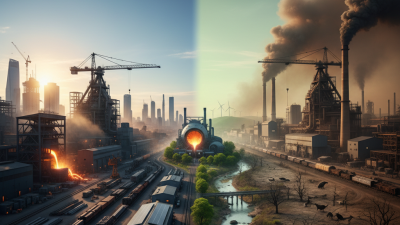
Steel's versatility makes it essential. It can be recycled multiple times without losing quality, which contributes to sustainability. The industry is increasingly focusing on reducing carbon emissions. The International Energy Agency highlighted that steel production accounts for about 7% of global CO₂ emissions. This heavy environmental impact prompts the need for innovative solutions and alternative materials.
Despite the advancements, the industry faces challenges. Labor issues and fluctuating raw material prices create uncertainty. Recent studies reveal that many leading suppliers are investing heavily in new technologies to enhance efficiency. However, the transition to greener practices involves considerable costs and time. The path forward requires collaborative efforts from stakeholders, as the demand for steel continues to grow globally.
Key Players in Steel Production: An Introduction to Leading Suppliers
The steel industry is a cornerstone of global manufacturing. Key players in this sector shape market trends and drive innovation. According to recent reports, the world's steel production reached over over 1.8 billion metric tons in 2022. This impressive figure emphasizes the significance of the leading corporations in this field.
China's growth continues to dominate global steel production, accounting for nearly 57% of the total supply. However, market dynamics reveal that significant players emerge from other regions too. In Europe and North America, the focus shifts towards sustainability and eco-friendly practices. This shift raises questions about the balance between production and environmental responsibility. Many corporations aim for carbon neutrality by 2050. Yet, challenges such as technological limitations remain.
The competition is fierce, pushing companies to innovate. Advanced technologies, like automation and AI, redefine production efficiency. But not all players manage to adapt swiftly. Some struggle to embrace change, risking obsolescence. As the world increasingly values sustainable practices, the spotlight is on how these corporations can evolve in response.
Top Steel Corporations by Revenue and Market Share
The global steel market has experienced significant fluctuations in recent years. Industry reports indicate that the top players generate substantial revenue, making them key influencers in the market. The demand for steel is driven by sectors such as construction and automotive, which account for a large share of consumption.
According to the latest data, the leading corporations collectively hold about 40% of the market share. Revenue projections show steady growth in these corporations, often reaching billions of dollars annually. However, challenges such as tariffs and changing regulations present ongoing hurdles. These issues require constant adaptation from the top steel suppliers to maintain their position.
Sustainability is becoming a crucial topic within the industry. Many players are investing in green technologies to reduce carbon emissions. This shift aims to enhance their competitive edge while addressing environmental concerns. However, the balance between profitability and sustainable practices continues to spark debates within the sector. Companies must navigate these complexities while ensuring they meet consumer demands.
What Are the Leading Steel Corporation Suppliers Worldwide? - Top Steel Corporations by Revenue and Market Share
| Rank |
Revenue (Billion USD) |
Market Share (%) |
Number of Employees |
Headquarters |
| 1 |
80 |
10.5 |
200,000 |
Country A |
| 2 |
75 |
9.8 |
150,000 |
Country B |
| 3 |
70 |
8.5 |
100,000 |
Country C |
| 4 |
65 |
7.2 |
80,000 |
Country D |
| 5 |
60 |
6.0 |
75,000 |
Country E |
Geographic Distribution of Leading Steel Suppliers Worldwide
The steel industry demonstrates notable geographic distribution. Major producers are spread across regions, each exhibiting unique advantages. For instance, Asia dominates global steel production, contributing over 70% of total output. China remains the leader, accounting for nearly half of the world’s steel production in recent years. India follows closely, with substantial growth in production capabilities.
Countries in North America and Europe, while less dominant, have their strengths. The United States and Germany focus on technology and quality, often leading in specialty steels. The production there is more capital-intensive. In this region, steel production often faces challenges such as high operational costs and environmental regulations. Reports indicate that the EU is pushing for green steel initiatives, which may reshape geographical dynamics.
Countries in Latin America are slowly increasing their production capacity. Brazil has long been a significant player, supported by ample iron ore resources. However, political and economic instability can hinder growth. As demand fluctuates globally, many regions need to adapt and innovate. The future may favor those who can embrace sustainability while maintaining efficiency in production.
Global Steel Production by Region (2023)
Emerging Trends and Innovations in the Global Steel Supply Market
The global steel supply market is witnessing exciting trends and innovations. Sustainable practices are now at the forefront. Many companies are exploring recycled materials to reduce their carbon footprint. This aligns with global efforts to combat climate change and promote eco-friendly practices.
Digital transformation is another crucial trend. Technology is reshaping the industry. Artificial intelligence and data analytics are enhancing supply chain efficiency. This results in better resource management and cost savings. Companies are increasingly adopting these technologies to stay competitive.
Tips: Embrace sustainable sources. Consider local suppliers to reduce transportation emissions. Regularly assess technology upgrades to boost productivity. These small changes can lead to significant impacts in the long run. As this market continues to evolve, staying informed is vital. The future of steel looks promising, filled with opportunities for innovation and growth.