What is Smart Steel and How Can It Transform Industries?
Smart steel is an innovative material transforming various industries. Its ability to integrate technology enhances functionality and performance. According to a recent report by MarketsandMarkets, the smart steel market is projected to reach $25 billion by 2027, growing at a CAGR of 12.5%. This growth reflects demand for smarter manufacturing processes and efficient resource management.
Among the key features of smart steel are its self-sensing capabilities and adaptability to environmental changes. This technology can monitor stress and respond to structural needs in real-time. For instance, in construction, smart steel can improve safety and longevity, addressing industry concerns such as the aging infrastructure in the United States, which needs over $4 trillion in updates. Yet, the transition to smart steel poses challenges, including higher initial costs and the need for specialized skills.
Investing in smart steel could lead to significant long-term benefits. Studies indicate that using smart materials can reduce maintenance costs by up to 25%. As industries shift toward sustainability, smart steel could play a crucial role in achieving greener solutions. However, there remains a need for further research and development to realize its full potential in diverse applications.
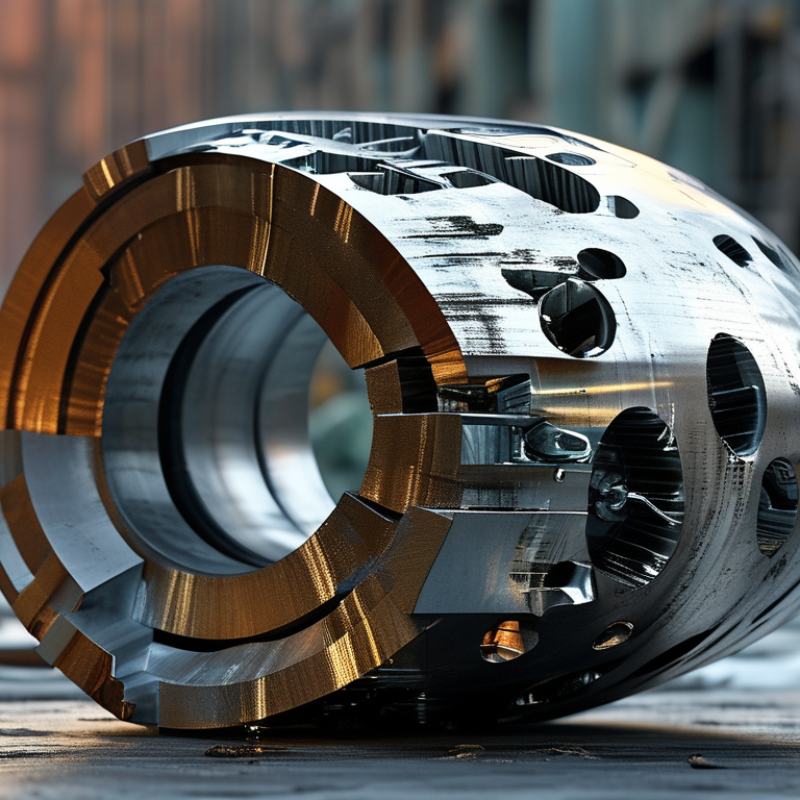
What is Smart Steel? Defining the Technology Behind the Innovation
Smart steel is a revolutionary material that combines traditional steel properties with advanced technologies. This innovation involves integrating sensors and smart technologies directly into the steel. The result? Steel that can monitor its own condition in real-time. For industries, this means enhanced durability and efficiency in structures like bridges and buildings.
The applications of smart steel are vast. In construction, it can detect stress or corrosion, alerting engineers before structural failures occur. Imagine a bridge that communicates its health status. Such capability not only improves safety but also reduces maintenance costs. This creates a proactive approach to integrity management.
However, implementing smart steel poses challenges. The initial cost for integration can be high. Moreover, the technology requires skilled personnel to interpret the data it generates. Companies must weigh these factors against long-term benefits. Balancing innovation with practicality is key.
Key Features of Smart Steel: Sensors, Connectivity, and Data Analytics
Smart steel represents a significant advancement in material technology, driven by its integration of sensors, connectivity, and data analytics. Sensors embedded within the steel can monitor structural integrity in real time. This capability helps industries detect potential failures before they occur, ensuring safer operations. However, the accuracy of these sensors can sometimes be affected by environmental conditions, leading to discrepancies that require careful evaluation.
Connectivity is another key feature of smart steel. It allows for seamless communication between machines and systems. By transferring data instantaneously, it enhances the efficiency of operations. Yet, without robust cybersecurity measures, this interconnectedness may expose industries to risks. Continuous monitoring of these systems is essential to minimize vulnerabilities.
Data analytics plays a crucial role in interpreting the information gathered from smart steel. By analyzing this data, companies can gain insights into usage patterns and maintenance requirements. This process is not without challenges; data overload can make it difficult to discern actionable information. Companies should focus on refining their data analytics strategies to improve decision-making.
Tips: Regular audits of sensor performance can catch anomalies early. Prioritize training for staff on data interpretation. Effective communication across teams is vital to harness the full potential of smart steel.
Industry Applications: How Smart Steel is Revolutionizing Manufacturing
Smart steel is shaping the future of manufacturing through its unique properties. This advanced material integrates sensors and data analytics. Companies can monitor structural health and performance in real-time. The global market for smart steel is expected to reach $60 billion by 2026, growing at a CAGR of 22% from 2021 to 2026. This rapid growth highlights the increasing importance of smart materials in industry.
In manufacturing, smart steel enhances efficiency and safety. For example, it allows manufacturers to predict equipment failures before they happen. According to a report by McKinsey, manufacturers could save up to $460 billion annually through predictive maintenance. Implementing smart steel can also reduce waste. These savings underline the serious potential impact on operational costs and environmental sustainability.
However, challenges remain. The integration of smart steel into existing systems can be complex. Many manufacturers may lack the expertise required. Training staff and investing in new technologies can be demanding. As industries adopt smart steel, understanding these obstacles will be crucial for successful implementation. Addressing these issues can unlock the full potential of this transformative material.
Smart Steel Manufacturing Process Efficiency
Market Impact: Revenue Growth and Adoption Rates for Smart Steel Solutions
Smart steel combines advanced technologies with traditional steel production. This innovative material is designed to enhance performance across various industries. It offers significant potential for revenue growth as companies adopt smart steel solutions.
Demand for this product is driven by its ability to improve efficiency and sustainability. As industries transition to smarter manufacturing, the adoption rates are steadily increasing.
Tip: Explore diverse applications of smart steel in construction, automotive, and electronics sectors. It often contributes to reduced operational costs and increased durability.
The market impact of smart steel is profound. Analysts predict a rapid growth trajectory, with many companies recognizing its value. However, not all organizations are prepared for this shift. Some may struggle with implementation or overlook the necessary training for workers.
Tip: Invest in workforce development and training programs. This step ensures smooth integration of smart steel technology into existing processes. Start with small projects to assess readiness and capability.
Future Trends: The Role of Smart Steel in Sustainable Development and Economy
Smart steel integrates advanced technologies into traditional materials. This innovation can significantly impact sustainability and economic growth. Incorporating sensors and AI, smart steel can monitor stress and fatigue in structures. This capability enhances safety and reduces maintenance costs. Industries such as construction and automotive stand to benefit immensely.
Future trends showcase smart steel’s role in reducing waste and energy consumption. It can adapt to different environmental conditions, which allows for efficient use of resources. As cities grow, smart steel can contribute to the development of smart infrastructure. However, challenges remain in production methods and cost management. The transition to this technology may require significant investment and training.
Furthermore, the effectiveness of smart steel hinges on collaboration among stakeholders. With various players involved, aligning interests may present hurdles. Addressing these challenges can lead to innovative solutions that benefit all parties. As industries evolve, the potential of smart steel in driving sustainable development becomes increasingly clear.
What is Smart Steel and How Can It Transform Industries?
| Dimension |
Description |
Impact on Industry |
Potential Applications |
| Smart Technology Integration |
Incorporating IoT and AI to monitor and optimize steel production. |
Enhances production efficiency and reduces waste. |
Automotive parts manufacturing, construction. |
| Sustainability |
Using recycled materials and reducing emissions in production. |
Promotes eco-friendly practices within industries. |
Green building projects, renewable energy infrastructure. |
| Data Analytics |
Leveraging big data to enhance quality control and performance. |
Minimizes defects and improves overall product reliability. |
Manufacturing processes, logistic optimization. |
| Smart Sensors |
Embedding sensors in steel for real-time condition monitoring. |
Enhances safety and extends lifespan of structures. |
Infrastructure, transportation systems. |