Top 10 Benefits of Aluminum Metal Everyone Should Know
Aluminum metal is often regarded as one of the most versatile and economically beneficial materials in various industries today. With its unique properties such as lightweight, corrosion resistance, and excellent thermal conductivity, aluminum metal has earned praise from experts across the globe. Dr. Emily Wright, a noted metallurgist with over two decades of experience in the aluminum industry, emphasizes its impact by stating, "Aluminum metal is not just a material; it's an innovation that drives advancements in engineering and sustainability."
The importance of aluminum metal can be witnessed in numerous applications, from aerospace engineering to everyday packaging solutions. Its recyclability and low environmental impact make it an essential player in the movement towards sustainable manufacturing. Understanding the key benefits of aluminum metal not only highlights its role in improving product efficiency but also showcases its relevance in the quest for a greener planet.
In this exploration of the top 10 benefits of aluminum metal, we will delve into how this remarkable material continues to transform industries and enhance our daily lives, emphasizing its significance in a rapidly evolving technological landscape.

The Lightweight Nature of Aluminum and Its Advantages
Aluminum is renowned for its lightweight nature, making it an ideal choice for various applications across multiple industries. This property not only enhances portability but also contributes to increased efficiency in transportation. For instance, structures and vehicles constructed from aluminum can be designed to be less cumbersome, resulting in lower energy consumption during their operation. Because lighter materials contribute to improved fuel efficiency, aluminum plays a key role in the development of eco-friendly solutions, especially in the automotive and aerospace sectors.
In addition to its lightweight nature, aluminum offers exceptional strength-to-weight ratios, enabling structural integrity without the added weight. This advantage allows engineers and architects to create innovative designs while ensuring durability and safety. Moreover, aluminum's resistance to corrosion and its ability to withstand various environmental conditions further enhance its appeal. As a result, this metal is increasingly preferred for applications where both lightweight and durability are critical, demonstrating its versatility in modern manufacturing and construction practices.
Corrosion Resistance: Why Aluminum Stands Out
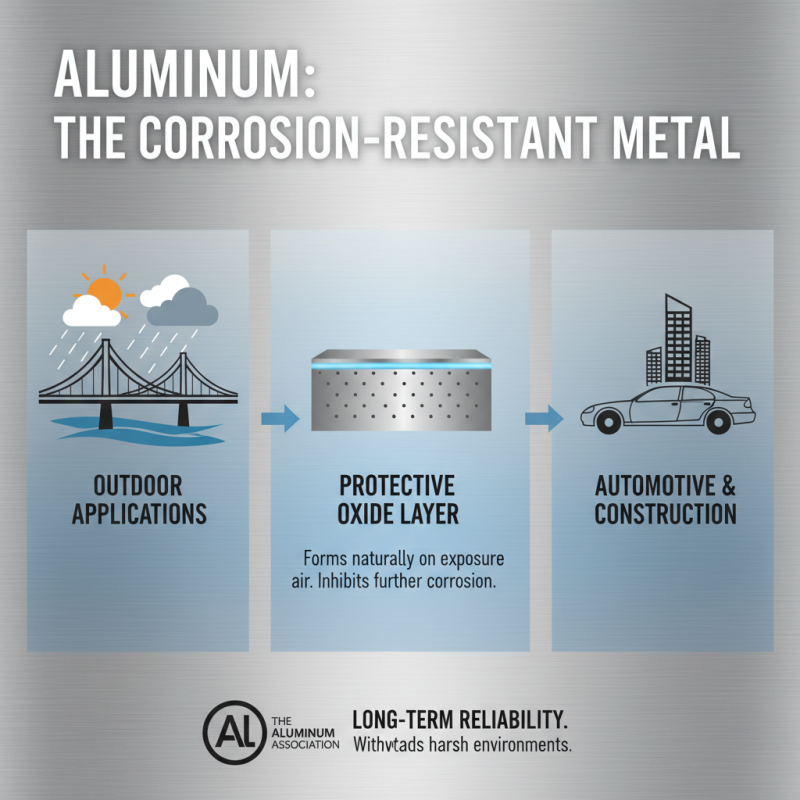
Aluminum metal is renowned for its exceptional corrosion resistance, a feature that lends it numerous advantages across various industries. According to a report by the Aluminum Association, aluminum naturally forms a protective oxide layer when exposed to air, which significantly inhibits further corrosion and makes it ideal for outdoor applications, from construction materials to automotive parts. This intrinsic property allows aluminum to withstand harsh environmental conditions without deteriorating, making it a reliable choice for long-term investments.
Tip: When choosing materials for outdoor projects, consider the corrosion resistance of aluminum to ensure longevity and reduce maintenance costs. This is particularly crucial in coastal areas where saltwater exposure is a concern.
Moreover, the corrosion resistance of aluminum also contributes to its lightweight nature. The material's durability, combined with its low density, offers manufacturers the ability to create products that are both resilient and easy to handle. A study from the International Aluminum Institute emphasizes that utilizing aluminum can decrease the overall weight of transportation vehicles, leading to improved fuel efficiency and reduced greenhouse gas emissions. This benefit is particularly relevant as industries move towards more sustainable practices.
Tip: For projects requiring a balance between weight and strength, aluminum should be at the forefront of material considerations. Its corrosion resistance ensures that the integrity and performance of the structure remain intact over time.
Aluminum’s Recyclability and Its Environmental Benefits
Aluminum is not only known for its lightweight and durability, but one of its most significant benefits lies in its recyclability. According to the Aluminum Association, recycling aluminum saves up to 95% of the energy required to produce new aluminum from raw materials. This drastic reduction translates into substantial environmental impact; it is estimated that recycling just one ton of aluminum can prevent the emission of approximately 9 tons of carbon dioxide. This energy-efficient characteristic makes aluminum a standout option for sustainable manufacturing practices.
The lifecycle of aluminum underscores its environmental benefits. When aluminum is recycled, it can be reused indefinitely without losing its quality, which greatly reduces the demand for mining and refining processes that are energy-intensive and environmentally damaging. The International Aluminum Institute reports that in 2021, the global recycling rate for aluminum cans was around 75%, showcasing a clear commitment to reducing waste and utilizing existing resources. By promoting the circular economy and extending the life cycle of materials, aluminum plays a crucial role in helping industries and consumers contribute to a more sustainable future.
Top 10 Benefits of Aluminum Metal Everyone Should Know
This bar chart illustrates the top benefits of aluminum metal, highlighting its lightweight nature, durability, resistance to corrosion, and exceptional recyclability, among other advantages. Each benefit is scored based on its significance, showcasing why aluminum is a vital material in various applications.
Thermal and Electrical Conductivity of Aluminum Explained
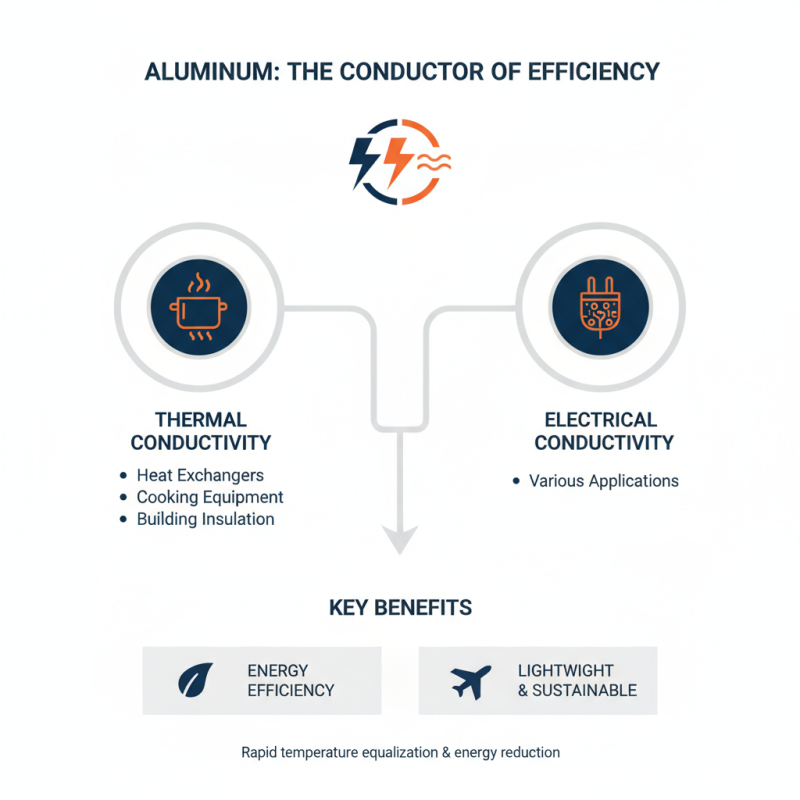
Aluminum is renowned for its excellent thermal and electrical conductivity, making it a crucial material in various applications. With its ability to conduct heat efficiently, aluminum is often used in heat exchangers, cooking equipment, and in construction as thermal insulation. This conductivity allows for rapid temperature equalization, which can enhance the energy efficiency of buildings and appliances alike. Furthermore, aluminum’s lightweight nature contributes to its popularity in industries focused on energy reduction and sustainability.
When it comes to electrical conductivity, aluminum is frequently chosen for electrical wiring and components. It has approximately 61% the conductivity of copper, while being significantly lighter and more cost-effective. This makes aluminum a popular choice for power transmission lines, where reducing weight and cost is vital. Additionally, aluminum's oxidation resistance enhances its durability in electrical applications, ensuring longevity and safety.
**Tip:** When selecting aluminum for thermal or electrical applications, always consider the specific heat or electrical load requirements to ensure optimal performance. It's also beneficial to factor in the environment it will be used in, as different conditions can affect conductivity. **Tip:** Use proper connectors and installation techniques to prevent issues such as corrosion or overheating, which can compromise both thermal and electrical efficiencies.
Cost-Effectiveness of Aluminum in Various Industries
Aluminum has become a key material across various industries, largely due to its cost-effectiveness and versatility. According to a report from the International Aluminum Institute, aluminum is one of the most popular metals used in manufacturing, boasting a low cost per unit of strength. In the automotive sector, for instance, the lightweight properties of aluminum lead to fuel efficiency benefits, with estimates suggesting that every 10% reduction in vehicle weight can improve fuel economy by 6-8%. This not only reduces operational costs for manufacturers but also meets increasing regulations for sustainability and emissions.
In construction, aluminum frames are not only durable but also reduce costs associated with structural supports. The Construction Industry Institute notes that using aluminum can lower overall project costs by up to 30% due to its resistance to corrosion and lower maintenance requirements compared to other materials. This efficiency extends to electrical industries as well, where aluminum wiring can save up to 50% in installation costs compared to copper, without sacrificing performance.
Tips: When considering aluminum for your next project, assess both initial material costs and long-term savings in maintenance and operational costs. Additionally, partnering with suppliers who specialize in aluminum can provide insights into the latest innovations and trends, helping you maximize the benefits of this versatile metal.
Top 10 Benefits of Aluminum Metal Everyone Should Know - Cost-Effectiveness of Aluminum in Various Industries
| Benefit |
Description |
Cost-Effectiveness |
| Lightweight |
Aluminum is significantly lighter than steel, which reduces transportation costs and improves energy efficiency. |
Lower shipping costs and improved fuel efficiency in vehicles. |
| Corrosion Resistance |
Aluminum’s natural oxide layer provides excellent resistance to corrosion, increasing the lifespan of products. |
Reduced maintenance costs and longer product durability. |
| Recyclability |
Aluminum can be recycled indefinitely without losing quality. |
Lower raw material costs and reduced environmental impact. |
| Thermal Conductivity |
Excellent thermal conductor, making it ideal for heat exchangers and cooking utensils. |
Improved efficiency in heat management systems, leading to energy savings. |
| Electrical Conductivity |
Aluminum is a good conductor of electricity, widely used in electrical applications. |
Cost-effective material for electrical wiring and components. |
| Machinability |
Aluminum is easy to machine and form into various shapes. |
Lower manufacturing costs due to less material waste and faster production times. |
| Aesthetic Appeal |
Can be easily anodized or painted for enhanced aesthetics. |
Cost-effective way to create attractive products without high processing costs. |
| Non-Toxic |
Safe for use in food and medical applications due to its non-toxic nature. |
Lower health risks and compliance costs in regulated industries. |
| Strength-to-Weight Ratio |
High strength-to-weight ratio, making it a preferred choice in aerospace and automotive industries. |
Enhanced performance and fuel efficiency. |
| Versatility |
Used across multiple industries from construction to consumer goods. |
Economies of scale due to widespread application increase cost-effectiveness. |