What Are Metal Solutions Used For?
Metal solutions are materials, components, and processes designed to meet practical needs. The term can include metal alloys, fabricated parts, coatings, and finishing services. Their role depends on the job. A stainless-steel surface may resist moisture, while copper can carry electrical current efficiently. Aluminum parts can reduce weight in vehicles and equipment. These examples show why material choice matters.
Metal solutions appear in construction, manufacturing, transport, energy systems, and everyday products. They may support a bridge, form a machine housing, or protect a pipe from wear. Each application brings different demands, including strength, corrosion resistance, heat tolerance, cost, and ease of fabrication. There is no single best option. Not every alloy fits. A choice that works in a dry indoor setting may fail sooner in a harsh outdoor environment. Details such as thickness, joining method, maintenance, and operating conditions deserve attention. They are easy to overlook.
Understanding what metal solutions are used for starts with asking what a product must do and where it will operate. Engineers and buyers typically compare specifications, test data, and supplier information before selecting materials. This article explores common uses and the practical factors behind those choices. The phrase itself is broad, and that can be confusing. A metal solution is only useful when its properties match the real application—not merely the name on a product sheet.
What Metal Solutions Include: Alloys, Sheets, Profiles, and Coatings
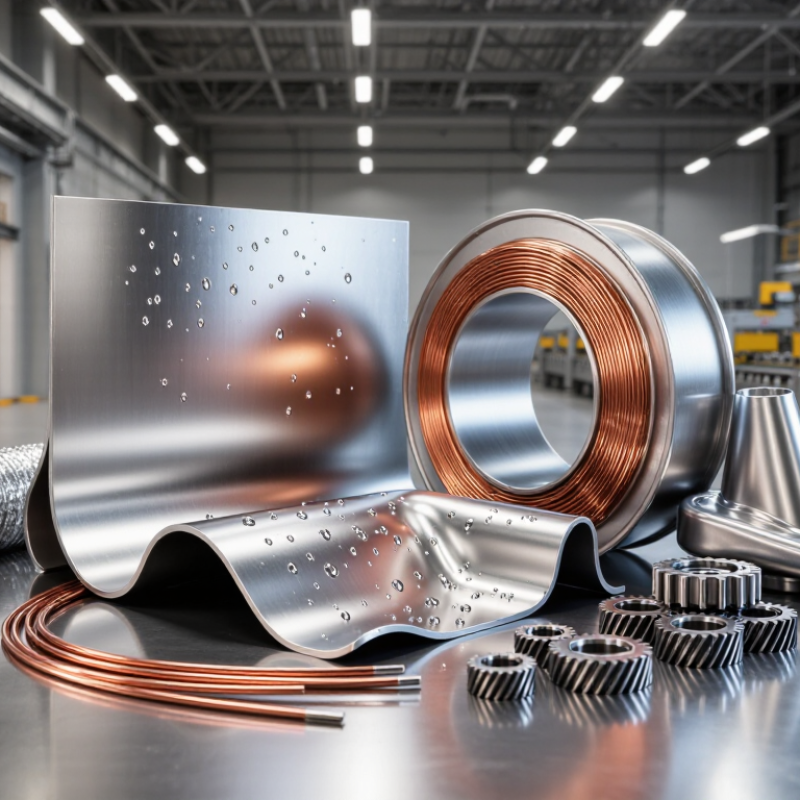
Metal solutions are not one material. They include alloys, sheets, profiles, and protective coatings, each selected for a job. An alloy blends metals or other elements to adjust strength, hardness, or corrosion resistance. A stainless steel grade may suit a wet food-processing line, while a lighter aluminum alloy can reduce the weight of a vehicle panel. Details matter: heat treatment, thickness, and joining method can change performance.
Sheets form roofs, appliance housings, and vehicle bodies. Profiles, such as channels and hollow sections, carry loads in frames and railings. Coatings add another layer of protection. Zinc coatings can slow rust on steel, while paint systems help shield surfaces from moisture and chemicals. Small scratches still matter. A coating is not a substitute for suitable material selection or maintenance.
Scale helps explain why these forms are widely available. The World Steel Association’s World Steel in Figures 2024 reports global crude steel production of 1,892.2 million tonnes in 2023. That figure describes raw production, not finished sheets or profiles, so it should not be mistaken for product output. In practice, engineers compare strength, weight, exposure, fabrication needs, and lifecycle cost. There is rarely a perfect choice; a durable coating can add expense, and a strong alloy may be harder to form.
How Engineers Select Metals for Strength, Corrosion, Heat, and Conductivity
Engineers rarely choose a metal by strength alone. A pump shaft may face repeated twisting, while its housing meets moisture and cleaning chemicals. During design reviews, teams compare loads, temperature, surrounding fluids, weight, and manufacturing limits. Small details matter. Salt spray near a coast can change the choice. So can a tight tolerance or a weld that must endure vibration.
For strength, engineers examine yield strength, fatigue behavior, and stiffness, not just a headline tensile value. A lightweight aluminum alloy may suit a moving arm, while steel can better handle impact or wear. Corrosion resistance depends on the actual environment. Stainless steel performs well in many wet settings, yet chloride exposure can still cause pitting. No metal is immune.
Heat and electrical demands add another layer. Components near a furnace need alloys that retain useful strength at operating temperatures. Copper often carries current efficiently, but heat can affect its strength and surface condition. Engineers also consider machining, joining, availability, and lifecycle cost. Tests help: hardness checks, corrosion coupons, or prototypes under real loads. Data can mislead when test conditions differ. A lab result may still miss a seam, scratch, or maintenance habit.
Why Construction Leads Steel Use: About 52% of Global Demand (worldsteel)
What Are Metal Solutions Used For?
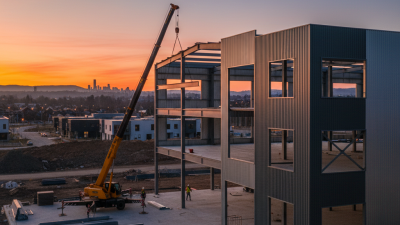
Construction accounts for about 52% of global steel demand, according to worldsteel. This large share comes from steel’s use in buildings, infrastructure, and housing. On a building site, steel may appear as columns, roof trusses, floor beams, or reinforcing bars inside concrete. Bridges use steel components to carry traffic across long spans. These parts are chosen for strength, predictable performance, and the ability to fabricate them to precise dimensions. Steel can also help crews assemble structures quickly, especially when components arrive ready to install.
That demand figure is useful, but it needs context: it describes a broad global category, not every project or region. Local building methods, material prices, and access to skilled labor can change what makes sense. A steel frame may suit a warehouse with wide, open floor space; a small building may need a different approach. Exposure matters, too. Moisture and salt can accelerate corrosion, so coatings, drainage, and inspection need consideration. Steel is not automatically the best answer. Its production also carries environmental costs, while reuse and recycling depend on careful design and recovery. Teams should weigh service life, maintenance, and end-of-life plans alongside initial strength.
What Are Metal Solutions Used For? — Why Construction Leads Steel Use: About 52% of Global Demand
| End-use sector |
Share of global steel demand |
Typical steel applications |
| Construction |
52% |
Buildings, bridges, roads, rail infrastructure, reinforcing bars, structural sections, and roofing. |
| Mechanical machinery |
16% |
Industrial equipment, agricultural machinery, machine tools, and parts for manufacturing systems. |
| Automotive |
12% |
Vehicle bodies, frames, chassis, wheels, and safety-related structural components. |
| Metal products |
10% |
Metal containers, tools, fasteners, wire products, and fabricated steel components. |
| Other transport |
5% |
Ships, railway equipment, and aerospace transport components. |
| Domestic appliances |
3% |
Steel casings and structural parts in appliances such as refrigerators, washing machines, and ovens. |
| Electrical equipment |
2% |
Electrical machinery and equipment components, including applications that use electrical steel. |
|
Shares are approximate and represent the global distribution of steel use by sector in the cited worldsteel breakdown; totals may vary slightly because of rounding.
|
Where Aluminum Fits in Transport: Recycling Uses About 95% Less Energy (IAI)
Aluminum is used in cars, buses, rail vehicles, and aircraft because it is relatively light and can be shaped into strong components. Lower vehicle weight may reduce energy use during operation, though results depend on design, distance, and how a vehicle is powered. Its role in transport is not limited to new parts. Recycled aluminum can be remelted and made into components again.
Producing recycled aluminum typically uses about 95% less energy than producing primary aluminum from ore, according to industry estimates. That comparison matters, but it needs context: sorting, transport, and remelting still require energy. Scrap also has to be separated by alloy; a mixed load may not suit every application. The figure is useful, but it can make recycling sound simpler than it is. Material quality matters.
Tips: Keep aluminum scrap clean and separate where practical. For transport buyers, ask whether parts contain recycled material and whether they meet the required strength and safety specifications. A lighter part is not automatically a better choice; durability and repairability count, too.
How Metal Solutions Support Manufacturing, Energy, and Infrastructure
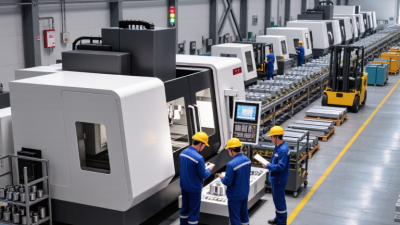
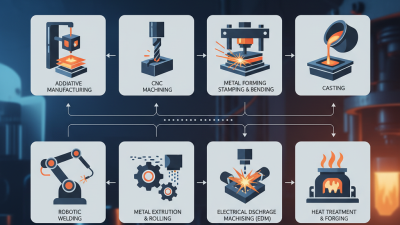
Metal solutions turn raw materials into dependable components through alloy selection, cutting, forming, welding, and protective finishing.
In manufacturing, a steel bracket must withstand vibration, while a stainless-steel housing may face moisture and cleaning chemicals. The World Steel Association reports that global crude steel production reached 1,892.2 million tonnes in 2023. That scale is striking, but production volume alone says little about a component’s quality or service life.
Energy and infrastructure projects rely on metals with different jobs. Copper and aluminum carry electricity; steel supports towers, bridges, and equipment frames. The International Energy Agency’s 2023 report, Electricity Grids and Secure Energy Transitions, says annual grid investment needs to rise from about $300 billion to over $600 billion by 2030 in its net-zero pathway. Choosing materials therefore affects conductivity, structural capacity, corrosion resistance, and maintenance needs. Details matter.
Tips
Match the material and finish to the real environment, not just the drawing. Check cut edges, welds, and fasteners for coating gaps. A specification can look complete on paper and still overlook how a part will be handled or repaired. That deserves a second look.