Why Choose Coil Steel for Global Sourcing?

Why Choose Coil Steel for Global Sourcing?

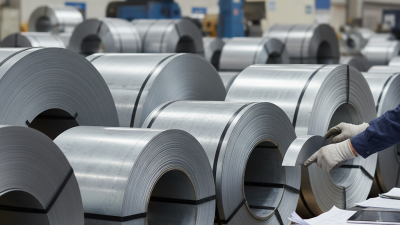
Global manufacturers choose coil steel because it combines production efficiency, material consistency, and flexible application. Rolled into compact coils, it can move efficiently through ports, warehouses, and processing lines. It also supports cutting, slitting, stamping, forming, and welding across many industries. Automotive panels, roofing sheets, storage systems, and construction components often begin with this format.

“Steel is the backbone of our modern world,” says Lakshmi Mittal, Executive Chairman of ArcelorMittal. His observation reflects steel’s practical importance, but sourcing decisions require more than a powerful phrase. Buyers must examine grade, thickness, width, surface finish, coating weight, mechanical properties, and dimensional tolerances. A reliable supplier should provide mill test certificates, traceable batch information, and clear inspection records. These details matter when a single deviation can interrupt a production schedule.

Coil steel can also simplify global purchasing. Standardized specifications help buyers compare mills across regions. Larger coils may reduce handling and processing waste. However, the cheapest quotation is not always the strongest choice. Freight costs, port delays, currency changes, packaging quality, and local processing capacity can alter the final price. Sometimes, a slightly higher material cost prevents expensive downtime.

There is no perfect sourcing formula. Steel grades behave differently in real factories. Samples should be tested before large orders. Suppliers should answer technical questions directly, not hide behind attractive brochures. Experienced buyers understand this imperfect reality. They verify performance, document risks, and build supply plans that can withstand ordinary disruptions. That practical discipline makes coil steel a dependable option for global sourcing.
Why Choose Coil Steel for Global Sourcing?

What Is Coil Steel and How Is It Produced?

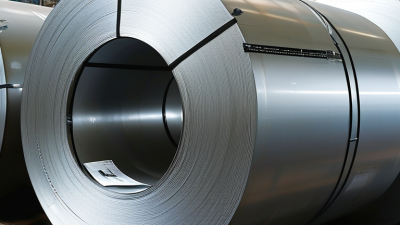
Coil steel is flat steel rolled into a long, continuous strip and wound into a compact coil. It is easier to store, transport, and feed into automated forming equipment. Depending on its final use, the coil may be hot-rolled, cold-rolled, galvanized, or coated.

Production begins when iron-bearing materials are melted and refined into liquid steel. The steel is cast into slabs, reheated, and passed through rolling stands that reduce its thickness. Hot rolling usually happens at high temperatures, creating a rougher surface and wider thickness tolerance. Cold rolling follows after cooling and cleaning. It improves surface smoothness, dimensional accuracy, and strength. Some coils then pass through pickling, annealing, or zinc-coating lines.

The details matter.

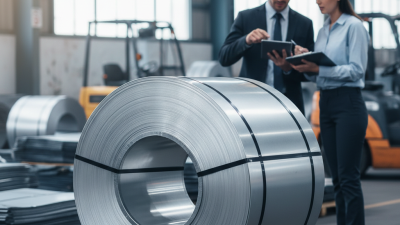
In global sourcing, buyers should check grade, thickness, width, coil weight, inner diameter, surface condition, and edge quality. A mill certificate should match the actual shipment, not only the purchase order. Packaging also deserves attention; exposed edges can suffer damage during ocean transport, especially in humid conditions. Experienced procurement teams often request samples, inspection records, and tolerance data before confirming volume.

The process sounds tidy. It is not always. A small thickness variation can affect stamping, welding, or cutting performance. Choosing the lowest price may create higher processing costs later. Clear specifications, realistic delivery terms, and independent quality checks make coil steel sourcing more dependable.

Key Properties That Make Coil Steel Suitable for Global Sourcing

Why Choose Coil Steel for Global Sourcing?

Key Properties That Make Coil Steel Suitable for Global Sourcing

Coil steel suits global sourcing because it combines consistent dimensions with efficient handling. Its continuous form reduces cutting waste and supports high-volume production. The material also travels compactly when properly wound, strapped, and protected against moisture. This matters when shipments cross several climate zones.

Mechanical properties guide most purchasing decisions. Strength, hardness, ductility, and formability affect stamping, bending, welding, and machining. A suitable grade should match the finished product, not merely the quoted price. For example, a deep-drawing application needs reliable elongation and stable thickness. Structural parts may require higher yield strength instead. Small differences can cause serious production problems.

Surface quality matters too. Galvanized, coated, or untreated coil steel offers different levels of corrosion resistance and processing performance. Buyers should verify coating weight, dimensional tolerances, edge condition, and surface appearance through documented inspections. Mill test certificates help, but independent checks can reveal inconsistencies. They are worth considering.

In practical sourcing, packaging deserves equal attention. Rust inhibitors, sealed wrapping, and strong coils reduce damage during ocean transport. However, no specification removes every risk. Storage humidity, handling pressure, and unclear inspection methods can still affect quality. A detailed purchase agreement should define testing standards, sampling rules, tolerances, and responsibility for nonconforming material. Guesswork is expensive.

Why Choose Coil Steel for Global Sourcing?

Representative midpoint values show how widely available coil steel grades balance strength and formability for different international manufacturing needs.

Coil steel is suitable for global sourcing because it is produced in standardized grades and dimensions, supports continuous high-volume processing, and offers selectable combinations of strength and ductility. Values shown are representative midpoints of commonly published industry ranges; actual specifications vary by standard, thickness, and supplier.

Main Types of Coil Steel and Their Industrial Applications

Why Choose Coil Steel for Global Sourcing?

Main Types of Coil Steel and Their Industrial Applications

Coil steel supports efficient global sourcing because it arrives in compact, continuous rolls. This format reduces handling time and supports automated cutting, stamping, and forming. In practical procurement, thickness tolerance matters as much as the quoted price. A small variation can affect assembly accuracy.

Hot-rolled coil steel suits structural frames, construction beams, storage racks, and heavy machinery parts. It offers strong performance where surface appearance is less critical.

Cold-rolled coil steel has a smoother finish and tighter dimensions. Manufacturers often use it for vehicle panels, appliances, cabinets, and precision components.

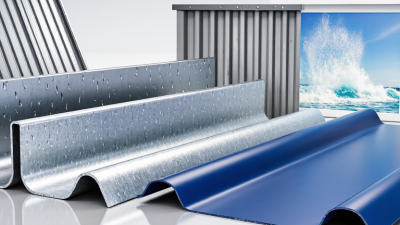
Galvanized coil steel includes a zinc coating that helps resist corrosion. It is widely used for roofing, ducts, fencing, and outdoor enclosures.

Stainless coil steel performs well in food equipment, medical facilities, chemical processing, and decorative applications. Electrical steel, with controlled magnetic properties, supports motors, transformers, and power equipment.

Tips: Match the steel type with the final environment, not only the drawing. Check grade, thickness, width, coating mass, and mechanical test results. Request recent inspection records and mill certificates. Confirm whether the coil can handle your forming radius. It is easy to overlook packaging, yet moisture damage during ocean transport can ruin a sound order. Delivery estimates also deserve skepticism; port delays are common. Sometimes the cheapest coil becomes the most expensive after rework.

Factors to Evaluate When Selecting an International Supplier

Why Choose Coil Steel for Global Sourcing?

Selecting an international coil steel supplier requires more than comparing quoted prices. World Steel Association data recorded 1.888 billion tonnes of crude steel production in 2023. That scale creates choice, but also uneven quality, capacity, and delivery discipline. Evaluate the supplier’s production route, monthly output, dimensional tolerances, surface finish, and grade consistency. Request recent mill test certificates and independent inspection records. ISO 9001 certification helps, but it cannot replace physical verification. A spreadsheet alone cannot reveal every risk.

Logistics deserves equal attention. UNCTAD’s Review of Maritime Transport reports that ships carry over 80% of global merchandise trade by volume. Ask for realistic lead times, port options, container or breakbulk experience, and clear responsibility under the agreed Incoterm. Compare freight exposure, customs documentation, packaging strength, and coil protection against salt air. The World Bank’s 2023 Logistics Performance Index also highlights customs, infrastructure, and shipment reliability as major trade factors. These details affect the landed cost, not just the invoice.

Financial stability and communication should be tested before a large purchase. Ask how the supplier handles rejected coils, production delays, and specification changes. Request references from comparable markets, not only polished case studies. A small trial order can expose slitting marks, telescoping, or inaccurate weights. I would still inspect the first shipment myself. That may seem inefficient. It is often cheaper than correcting a full vessel of unsuitable material. Supplier evaluation is never perfectly objective, and my own assumptions can be wrong. Keep reviewing them.

Shipping, Quality Control, and Compliance in Global Coil Steel Trade

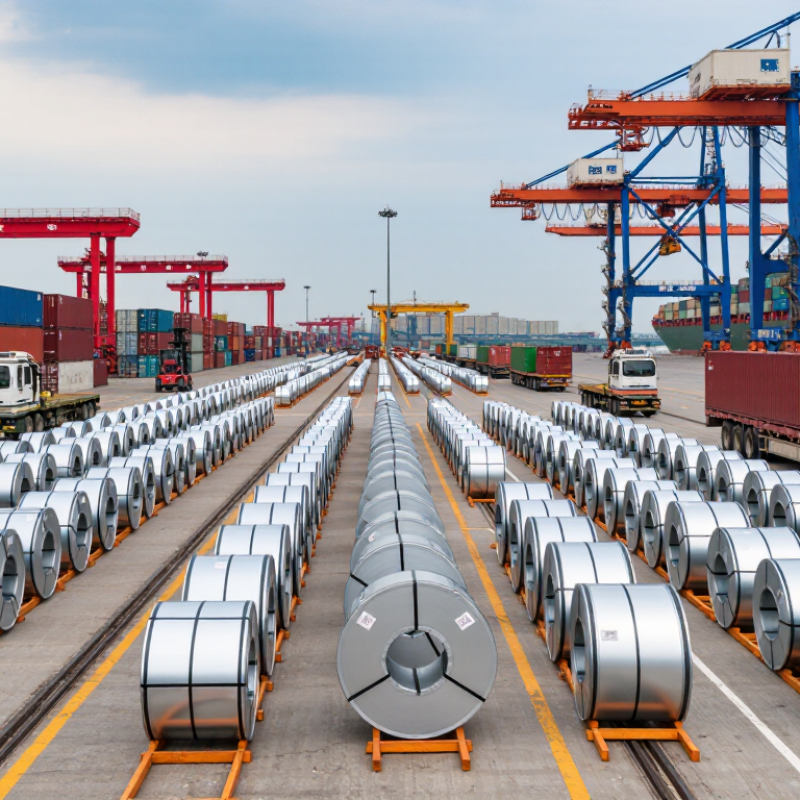
Global coil steel sourcing depends on more than a competitive quotation. Shipping conditions can change the material before it reaches the buyer. During receiving inspections, I have seen surface rust begin after condensation formed inside poorly ventilated containers. Coils need dry packaging, firm chocks, suitable lifting plans, and clear weight distribution. Desiccants and waterproof wrapping help, but they cannot replace moisture checks. Route planning matters too. Port congestion, transshipment, and seasonal humidity can affect delivery dates and material condition.

Quality control should start before production, not at the loading dock. Buyers should confirm grade, dimensions, coil weight, surface finish, and mechanical properties in writing. Mill test certificates must match heat numbers and shipping documents. Independent inspection can verify thickness, width, welds, packing, and visible damage. Photographs taken before loading create useful evidence. Still, inspection has limits. A clean report cannot predict every handling accident or hidden defect. No process is flawless, and that weakness deserves honest discussion.

Compliance connects the physical shipment with its legal identity. Exporters and importers should verify tariff classification, origin rules, labeling, and required certificates for each destination market. Records should remain consistent across invoices, packing lists, certificates, and bills of lading. Screening business partners and transport routes also supports responsible trade. Requirements change, and assumptions become expensive. A practical sourcing team keeps a document checklist, assigns owners, and reviews updates with qualified customs or legal specialists. Small gaps can delay a container.

Why Choose Coil Steel for Global Sourcing? - Shipping, Quality Control, and Compliance in Global Coil Steel Trade

Practical global sourcing benchmarks for steel coil procurement, logistics planning, inspection, and regulatory documentation

Category Data Dimension Typical Reference or Requirement Why It Matters in Global Trade Recommended Verification
Shipping Common ocean freight format Steel coils may move by container, breakbulk vessel, or multipurpose vessel. The selected method depends on coil weight, dimensions, volume, port capability, and delivery schedule. Choosing the wrong transport method can create payload restrictions, additional handling, or unsuitable cargo equipment. Confirm the vessel type, port equipment, cargo acceptance rules, and route-specific freight quotation before purchase.
Shipping Container payload planning A standard 20-foot dry container commonly carries a maximum payload in the approximate 25–28 metric-ton range, but the legal and operational limit varies by container, carrier, road, rail, and country. Coils are dense cargo, so the container payload is often reached before the available volume is fully used. Use the lower of the container rating, carrier limit, inland transport limit, and destination regulations.
Shipping Coil weight and handling Individual coil weights are commonly specified in metric tonnes and may range from several tonnes to more than 20 tonnes, depending on the mill, product, and customer requirement. Coil weight affects crane capacity, lifting accessories, loading sequence, storage design, and insurance exposure. Specify maximum coil weight, outside diameter, inside diameter, width, eye orientation, and lifting method in the purchase contract.
Shipping Cargo securing Coils require engineered blocking, bracing, chocks, and load distribution. The eye orientation may be eye-to-side or eye-to-sky depending on the transport and handling plan. Insufficient restraint can cause rolling, telescoping, edge damage, container deformation, or cargo movement during transit. Approve a loading diagram and photographic loading record; verify compliance with the carrier's cargo-securing instructions.
Shipping Moisture and corrosion protection Export packaging may include waterproof paper, corrosion-inhibiting materials, steel or fiber wrapping, edge protection, and a suitable skid or saddle. Sea voyages expose carbon steel to humidity, condensation, salt air, and temperature changes that may cause transit corrosion. Define packaging materials, storage conditions, desiccant requirements, ventilation practices, and claims procedures.
Shipping Delivery terms Incoterms® rules allocate responsibilities for transport, export clearance, import clearance, insurance, and risk transfer. The selected rule must be stated with the named place or port. Clear allocation of risk prevents disputes over damage, inland transport, customs processes, and insurance coverage. State the applicable Incoterms® rule, named location, shipment window, documents, and transfer point in the sales contract.
Quality Material identification Each coil should be traceable through heat number, coil number, grade, thickness, width, coating or finish, and production date where applicable. Traceability links the delivered material to production records and supports investigation of nonconformities. Match coil markings, packing lists, certificates, and physical dimensions before loading and after arrival.
Quality Dimensional tolerances Thickness, width, coil inside diameter, outside diameter, flatness, camber, and edge condition should be controlled against the agreed product standard and purchase specification. Dimensional variation can affect press forming, slitting, welding, automated feeding, and material yield. Use calibrated measuring equipment and define sampling frequency, measurement locations, and acceptance limits.
Quality Mechanical properties Depending on the grade, typical controlled properties include yield strength, tensile strength, elongation, hardness, and bend or forming performance. Mechanical properties determine whether the coil is suitable for structural, automotive, appliance, fabrication, or forming applications. Review the mill test certificate and perform independent testing when the application or contract requires it.
Quality Chemical composition Carbon, manganese, silicon, phosphorus, sulfur, and alloying elements are controlled according to the specified steel grade. Chemistry influences weldability, strength, ductility, corrosion behavior, and conformity with the ordered grade. Compare heat-analysis results with the applicable material standard and purchase-order limits.
Quality Surface condition Inspection may cover rust, scratches, pits, scale, roll marks, edge cracks, dents, oiling, coating continuity, and telescoping. Surface defects can reduce usable yield and create downstream rejection during painting, forming, welding, or galvanizing. Agree on visual acceptance criteria, inspection lighting, defect classification, and claim evidence before shipment.
Quality Inspection and sampling Inspection may include document review, visual inspection, dimensional checks, chemical analysis, mechanical testing, and third-party verification. A risk-based inspection plan balances cost and control while focusing on critical characteristics. Define sampling plans, test methods, laboratory qualifications, witness points, and rejection or corrective-action procedures.
Compliance Product standard Carbon and alloy steel sheet or strip may be purchased to standards such as ASTM, EN, JIS, or other recognized specifications, depending on the destination and application. The product standard establishes requirements for chemistry, mechanical properties, dimensions, tolerances, testing, and delivery condition. Identify the exact standard edition, grade, temper, finish, coating designation, and supplementary requirements.
Compliance Mill test certificate A certificate should normally identify the product, heat or cast, coil number, dimensions, grade, chemical results, mechanical results, and applicable standard. Accurate certification supports customs clearance, customer audits, traceability, and technical acceptance. Check that certificate data agrees with markings, packing lists, purchase orders, and the actual shipment.
Compliance Customs classification Steel coil customs classification depends on factors such as steel type, width, thickness, coating, processing, and destination tariff rules. HS codes must be confirmed for the specific product. Incorrect classification can cause duty disputes, delays, penalties, or incorrect trade-remedy treatment. Obtain a product-specific classification review from the importer or customs authority before shipment.
Compliance Trade remedies and origin Anti-dumping, countervailing, safeguard, quota, and origin requirements may apply to particular steel products and trade routes. Trade measures can materially change landed cost and may require additional declarations or permits. Verify current measures, quota status, country of origin, substantial-transformation rules, and required origin documents.
Compliance Environmental and supply-chain reporting Some markets require information on embedded carbon, emissions, recycled content, responsible sourcing, or supply-chain due diligence. Environmental reporting can affect import declarations, customer approval, tender eligibility, and long-term supply planning. Request consistent production-boundary data, calculation methodology, product scope, and supporting records.
Compliance Landed-cost calculation Landed cost should include material price, inland freight, ocean freight, insurance, duties, taxes, port charges, inspection, storage, financing, and potential demurrage. A lower purchase price may not produce the lowest total cost after logistics, compliance, and quality risks are included. Compare suppliers using the same delivery term, shipment size, destination, currency, duty assumptions, and service scope.

Important: The figures and requirements shown are general sourcing references, not a substitute for the current carrier rules, destination-country regulations, applicable steel standard, customs ruling, or project-specific contract requirements. Always confirm route-specific limits and compliance obligations before shipment.