Contact Kelly McNamara for information on products, services or locations.
Metal coatings protect steel, aluminum, and other substrates from moisture, chemicals, abrasion, and heat. They also influence appearance, maintenance intervals, and product life. This makes coating selection more practical than decorative.
The global corrosion challenge explains the market’s importance. NACE International’s IMPACT study estimated annual corrosion costs at about US$2.5 trillion, equal to roughly 3.4% of global gross domestic product. The report also suggested that better corrosion management could reduce these costs by 15% to 35%. These figures remain widely cited, although later industry reports use different methods and market boundaries.
The opportunity is substantial. Grand View Research has projected continued growth in the global metal coatings market, supported by construction, automotive production, energy infrastructure, and industrial equipment. MarketsandMarkets has also identified powder coatings, protective coatings, and environmentally improved technologies as important growth areas. The numbers vary. That matters.
As corrosion expert Professor Robert E. Melchers explains, “Corrosion is a natural process that cannot be eliminated, but it can be controlled.” His point is simple. A coating is not a permanent shield. Surface preparation, film thickness, curing, environment, and inspection all affect performance.
This guide examines the top 10 metal coatings through those practical factors. It considers zinc coatings, powder coatings, epoxy systems, polyurethane finishes, ceramic layers, and other widely used options. A glossy surface may look impressive under factory lights. Yet salt spray, scratches, trapped moisture, and poor preparation reveal the real difference. Rankings are useful, but they are not absolute. The best metal coatings depend on the substrate, exposure conditions, budget, and expected service life.
What Are the Top 10 Metal Coatings?
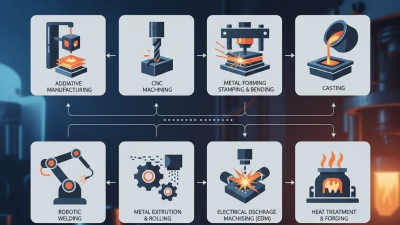
Metal coatings are protective layers applied to steel, aluminum, copper, and other substrates. They slow corrosion by blocking water, oxygen, salts, or chemical contact. Some coatings also provide hardness, conductivity, low friction, or a better surface finish. The ten widely used options include hot-dip galvanizing, electrogalvanizing, zinc-nickel, aluminum, nickel, electroless nickel, chromium, copper, tin, and thermal-sprayed metals.
Protection depends on the coating and the environment. Zinc can protect exposed steel sacrificially, even when small scratches appear. Nickel and chromium mainly create hard, chemically resistant barriers. Zinc-nickel performs well in demanding salt environments. Aluminum coatings resist oxidation at elevated temperatures. Copper and tin support electrical or food-equipment applications when properly specified. Thermal-sprayed aluminum can protect large structures, but surface preparation remains critical.
Preparation matters most.
The AMPP IMPACT study estimated annual global corrosion costs near $2.5 trillion, equal to about 3.4% of global GDP. That figure shows why coating selection deserves engineering attention, not guesswork. ISO 12944 also evaluates corrosive environments, from indoor humidity to offshore exposure. In practice, coating thickness, adhesion, edge coverage, curing, and inspection can matter as much as the metal itself. A technically strong coating can still fail early. Poor cleaning is often the quiet cause. Specification errors happen too. Testing should include salt exposure, thickness measurement, adhesion checks, and field-condition review before production.
Metal coatings protect surfaces by creating a barrier against moisture, oxygen, chemicals, wear, and electrical degradation. The chart compares commonly used coatings by their typical application-thickness ranges.
Thickness is a practical comparison, not a complete performance ranking. Actual protection depends on coating composition, surface preparation, porosity, adhesion, environment, and application process. Decorative chromium is usually much thinner than hard chromium, while thermal-sprayed aluminum forms a substantially thicker protective layer.
What Are the Top 10 Metal Coatings?
Metal coatings are best compared by category, not popularity alone. In practical work, the right choice depends on corrosion exposure, temperature, friction, appearance, and maintenance access.
Metallic coatings include zinc, nickel, chromium, tin, aluminum, and copper. Zinc protects steel through sacrificial action, while nickel offers hardness and useful chemical resistance. Chromium creates a bright, wear-resistant surface, although it can require careful preparation. Tin suits parts needing solderability or food-contact compatibility, when approved for that use. Aluminum performs well in outdoor and high-temperature environments. Copper provides strong conductivity but may oxidize visibly.
Organic coatings form another major category. Epoxy coatings create a tough barrier on prepared steel, while polyurethane coatings improve color and weather resistance. Inorganic coatings include ceramic layers, which tolerate heat and abrasion. Conversion coatings, such as phosphate treatments, chemically alter the surface and often improve paint adhesion. Thermal-sprayed coatings can deposit zinc, aluminum, or ceramic materials onto large components.
Tips: Inspect the substrate before selecting a coating. Oil, rust, sharp edges, and trapped moisture can undermine excellent materials. Match thickness to the environment, not habit. No coating is perfect. I have seen a technically impressive finish fail because the surface profile was ignored. Test adhesion, thickness, and edge coverage on representative parts. Also review temperature cycles and contact with dissimilar metals. Measure twice. The cheapest application may become the most expensive maintenance decision.
| No. | Coating Category | Typical Coating Materials | How It Is Applied | Typical Thickness | Main Benefits | Common Applications | Key Limitations |
|---|---|---|---|---|---|---|---|
| 1 | Electroplated Coatings | Zinc, nickel, chromium, copper, tin, silver, gold | An electric current deposits metal ions from an electrolyte onto a conductive workpiece. | Approximately 1–100 µm | Good appearance, corrosion protection, improved conductivity, solderability, and wear resistance. | Fasteners, electrical contacts, decorative hardware, automotive components, and machinery parts. | Requires conductive surfaces and careful control of cleaning, current density, and bath chemistry. |
| 2 | Electroless Coatings | Electroless nickel, copper, cobalt, and nickel–phosphorus alloys | An autocatalytic chemical reaction deposits metal without an external electrical current. | Approximately 5–75 µm | Uniform coverage on complex shapes, strong hardness, corrosion resistance, and controlled dimensional buildup. | Valves, hydraulic parts, molds, precision components, electronics, and internal surfaces. | Chemical baths require close monitoring, and some formulations need post-treatment or heat treatment. |
| 3 | Hot-Dip Metallic Coatings | Zinc, zinc–aluminum, aluminum, and zinc–iron alloys | Cleaned steel or iron is immersed in a molten metal bath, forming a bonded protective layer. | Approximately 20–200 µm, depending on the process and steel section | Long-term atmospheric corrosion protection, sacrificial protection, and strong metallurgical adhesion. | Structural steel, guardrails, utility structures, pipes, tanks, and outdoor hardware. | High processing temperatures can distort thin parts and may produce a relatively rough surface. |
| 4 | Thermal-Sprayed Coatings | Zinc, aluminum, stainless steel, nickel alloys, ceramics, and cermets | Molten or semi-molten particles are propelled onto a prepared surface using flame, arc, plasma, or high-velocity systems. | Approximately 50 µm to several millimeters | Thick-build capability, wear resistance, heat protection, corrosion resistance, and repair of worn dimensions. | Turbine components, rolls, shafts, marine structures, bridges, and heavy industrial equipment. | Surface preparation is critical; coatings may be porous and can have lower bond strength than metallurgically bonded layers. |
| 5 | Physical Vapor Deposition (PVD) | Titanium nitride, chromium nitride, titanium carbonitride, and diamond-like carbon | A solid source is vaporized in a vacuum and condensed as a thin film on the component. | Approximately 0.5–10 µm | Very high surface hardness, low friction, attractive appearance, and good resistance to adhesive wear. | Cutting tools, dies, molds, medical instruments, decorative hardware, and precision components. | Thin layers require a sound substrate and usually need line-of-sight access to the surface. |
| 6 | Chemical Vapor Deposition (CVD) | Carbides, nitrides, oxides, borides, and diamond or diamond-like carbon films | Gaseous precursors react or decompose at a heated surface to form a solid coating. | Approximately 1–50 µm | Excellent hardness, chemical stability, high-temperature performance, and strong conformity on suitable geometries. | Cutting tools, semiconductor components, furnace parts, wear surfaces, and high-temperature assemblies. | High process temperatures can restrict substrate selection and may affect dimensional tolerances. |
| 7 | Diffusion Coatings | Aluminides, chromides, borides, nitrides, and carbon-enriched surface layers | Heat treatment causes selected elements to diffuse into the substrate and form a modified surface zone. | Approximately 10–200 µm | Strong substrate integration, oxidation resistance, hot-corrosion protection, and improved hardness. | Furnace components, turbine parts, chemical-processing equipment, and high-temperature steel tools. | Requires elevated temperatures and may change substrate dimensions or microstructure. |
| 8 | Conversion Coatings | Phosphate, chromate, trivalent chromium, and zirconium-based films | A controlled chemical or electrochemical reaction converts the substrate surface into a protective compound. | Approximately 0.1–10 µm | Improves paint adhesion, provides temporary corrosion protection, and creates a suitable base for lubrication. | Steel and aluminum parts, automotive bodies, appliances, fasteners, and painted assemblies. | Usually provides limited standalone wear protection and depends strongly on surface cleanliness and post-treatment. |
| 9 | Anodized Coatings | Aluminum oxide and, for selected alloys, titanium oxide | An electrochemical process thickens the naturally occurring oxide layer on the metal surface. | Approximately 5–50 µm for decorative or general-purpose anodizing; thicker hard-anodized layers may be used. | Improved corrosion and abrasion resistance, electrical insulation, dyeability, and stable surface appearance. | Aluminum housings, architectural components, heat sinks, transport parts, and consumer hardware. | The oxide layer can be brittle, and performance depends on alloy composition, sealing, and exposure conditions. |
| 10 | Organic Polymer Coatings | Epoxy, polyurethane, acrylic, alkyd, fluoropolymer, and polyester systems | Applied as a liquid or dry powder and then cured by air drying, heat, ultraviolet light, or chemical reaction. | Approximately 25–500 µm, depending on the system and service requirement | Broad color selection, barrier corrosion protection, chemical resistance, electrical insulation, and easy customization. | Appliances, structural steel, machinery housings, pipelines, vehicles, furniture, and general industrial equipment. | Some polymers degrade under ultraviolet light, solvents, or sustained high temperatures; adhesion requires proper preparation. |
Note: Thickness values are representative ranges and can vary with the substrate, coating formulation, process parameters, specification, and service environment.
The top ten metal coating types offer different protection levels and performance benefits. Hot-dip galvanizing creates a thick zinc layer for strong outdoor corrosion resistance. Electroplating applies a controlled metal layer, improving appearance, conductivity, or wear resistance. Electroless nickel coats complex shapes evenly without electrical current. Powder coating forms a durable polymer film with many color options. Liquid paint systems remain flexible and suit large, irregular structures.
Five types remain. Anodizing strengthens aluminum’s natural oxide layer and supports attractive finishes. Thermal spray deposits zinc, aluminum, or alloys onto large surfaces. Ceramic coatings tolerate high temperatures and reduce friction. Conversion coatings improve paint adhesion while offering light corrosion protection. Phosphate coatings support lubrication and prepare steel for further finishing. No coating is perfect. Edge coverage is often overlooked. In practical inspections, small scratches, sharp corners, and trapped moisture frequently cause early failure.
Tips: Match the coating to real service conditions, not appearance alone. Check surface preparation, coating thickness, curing temperature, and adhesion. Test samples before full production. Consider galvanic contact between dissimilar metals. A beautiful finish may still perform poorly in salt spray or constant abrasion. Maintenance access matters, too. Repainting an inaccessible frame can become expensive. The best specification should include inspection methods, repair limits, and expected service life.
What Are the Top 10 Metal Coatings?
Applications, Advantages, and Limitations of Each Coating
Zinc coating protects steel parts in outdoor structures, fasteners, and automotive assemblies. It offers sacrificial corrosion protection at a reasonable cost. Scratches still consume the zinc layer. Nickel coating suits valves, tools, and decorative hardware. It improves hardness, wear resistance, and appearance, but may crack on poorly prepared surfaces. Electroless nickel covers complex shapes evenly, including internal passages. Its phosphorus content can improve corrosion resistance, although excessive hardness may reduce toughness. Chrome coating works well on hydraulic rods, molds, and high-wear components. It provides a hard, polished surface. However, it can separate when the base metal flexes.
Copper coating supports electrical contacts, heat exchangers, and underlayers for other finishes. Its conductivity is excellent, but copper oxidizes and scratches easily. Tin coating protects food-contact equipment and electronic terminals from oxidation. It is practical and solderable, though whisker growth can create reliability concerns. Aluminum coating helps protect steel in hot environments, such as exhaust systems. It forms a stable oxide film, yet adhesion may suffer without careful surface preparation. Zinc-nickel coating serves demanding automotive and industrial parts. It resists salt spray better than standard zinc, but costs more and requires controlled processing.
Silver coating is valuable for high-conductivity electrical contacts. It performs efficiently, though sulfur exposure can tarnish the surface. Gold coating protects precision connectors from oxidation and maintains reliable contact. Its major limitation is cost, especially on large components. Surface cleanliness matters.
Real workshop results can disappoint. Coating thickness, substrate condition, temperature, and curing time often decide performance. A technically impressive finish can still fail when inspection is rushed.
What Are the Top 10 Metal Coatings?
The top ten choices include zinc, nickel, chromium, tin, copper, aluminum, epoxy, ceramic, fluoropolymer, and phosphate coatings. Choosing the right one depends on the metal, environment, load, and maintenance plan. Zinc protects steel in damp areas through sacrificial corrosion control. Nickel adds wear resistance and a smooth surface. Chromium suits hard, polished components. Tin supports solderability and food-contact applications when properly specified. Epoxy and ceramic coatings can resist chemicals, but surface preparation remains critical.
Tips: Define the failure risk before selecting a coating. Is it rust, abrasion, heat, friction, or chemical exposure? Check operating temperature, coating thickness, adhesion data, and repair requirements. A shiny finish is not proof of durability. Small test panels often reveal problems that brochures hide.
In production work, I would compare real exposure data with laboratory results. Salt spray testing helps, but it cannot reproduce every outdoor condition. A coating may survive humidity yet fail beside a hot exhaust outlet. Phosphate coatings can improve paint adhesion, while aluminum coatings may perform better under heat. The base metal also matters. A strong coating can still fail on a poorly cleaned surface. I have seen this mistake repeatedly. Selecting by price alone seems practical, but replacement labor may cost much more. Use technical datasheets, application records, and independent testing where the risk is high.ԥсҭазаара