What Are the Top Metal Coatings Manufacturers in China?
China’s metal coatings industry is no longer judged by price alone. Manufacturers now compete through corrosion resistance, coating consistency, energy efficiency, and technical support. MarketsandMarkets projects steady growth for the global metal coatings market, driven by infrastructure, automotive production, and industrial equipment. Grand View Research also identifies protective coatings as a major force within the wider paints and coatings sector.
The need is practical. AMPP’s IMPACT study estimated that corrosion costs the global economy about US$2.5 trillion annually, equal to roughly 3.4% of global GDP. In a coastal factory, a weak coating may appear acceptable at delivery but blister after salt, humidity, and heat exposure. That difference can affect maintenance budgets and production schedules.
As corrosion scientist Herbert H. Uhlig wrote, “Corrosion is the deterioration of a material, usually a metal, by reaction with its environment.” His definition remains highly relevant. It explains why a manufacturer should be assessed beyond product brochures. This guide examines China’s leading metal coatings manufacturers through formulation expertise, testing capacity, ISO 12944 awareness, production control, and export experience.
Evidence matters. So does caution.
Public rankings can be incomplete. Some suppliers disclose impressive laboratory results but provide limited field data. Others serve narrow sectors, such as automotive parts, steel structures, or marine equipment. Therefore, this overview compares visible strengths rather than claiming one universal winner. Buyers should still verify batch records, independent test results, warranty terms, and project references before making a final decision.
What Defines a Leading Metal Coatings Manufacturer in China?
A leading metal coatings manufacturer in China is defined by more than production capacity or attractive pricing. It should understand how steel, aluminum, and cast alloys behave before coating begins. Experienced teams inspect surface condition, oil residue, oxidation, and edge geometry. They then select suitable pretreatment and coating systems for the product’s real environment.
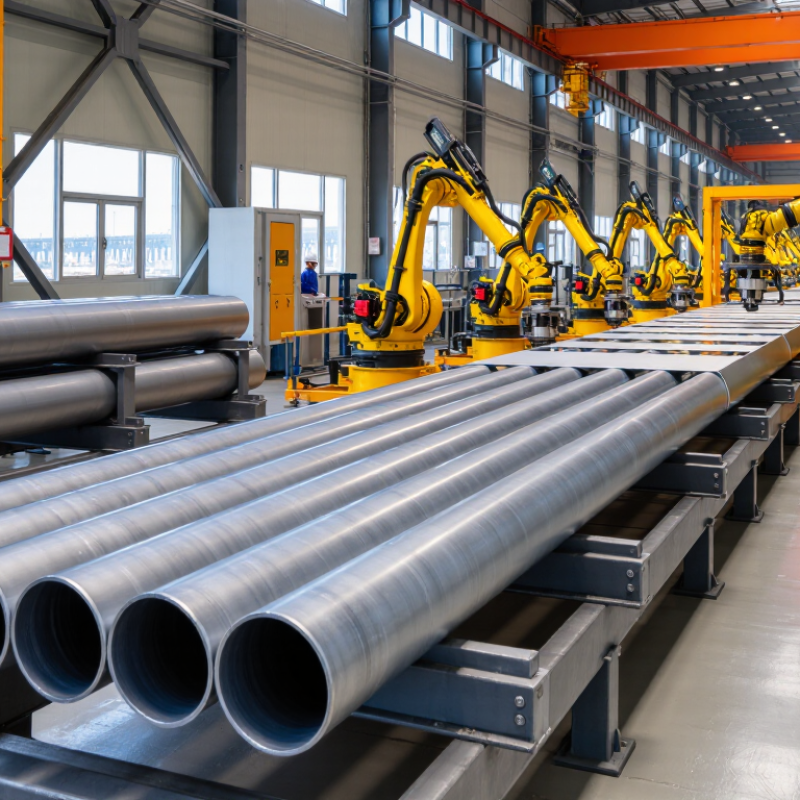
Technical discipline is visible in the factory. Reliable manufacturers control film thickness with calibrated gauges and record each production batch. They test adhesion, hardness, corrosion resistance, and color consistency. Salt spray testing can reveal weaknesses, but it should not replace field-based evaluation. A coating that performs well in a laboratory may behave differently near coastal air, heavy machinery, or repeated temperature changes.
Documentation also matters. Clear technical data sheets, inspection records, and traceable raw material information support dependable purchasing decisions. Strong manufacturers explain limitations instead of promising universal performance. That honesty builds trust. No supplier is perfect. Missed details can still occur during complex orders, especially when drawings change late. Therefore, buyers should review samples, audit process controls, and confirm communication procedures before scaling production. The best partner combines practical experience, measurable quality, responsive engineering, and a willingness to correct mistakes. Small details often decide long-term coating performance.
How China’s Metal Coatings Industry Is Organized
What Are the Top Metal Coatings Manufacturers in China?
How China’s Metal Coatings Industry Is Organized
China’s metal coatings industry is not one uniform market. It is organized around product chemistry, end use, and regional supply chains. Large producers often operate integrated plants near steel, aluminum, appliance, and automotive clusters. Smaller specialists focus on powder coatings, coil coatings, protective primers, or high-temperature finishes. This structure helps buyers compare technical depth, production scale, and response speed. It also makes supplier research less simple than reading a factory list.
Manufacturers generally fall into several groups. Industrial coating makers serve bridges, machinery, containers, and energy equipment. Decorative and appliance suppliers prioritize color consistency, surface feel, and batch stability. Functional coating producers focus on corrosion resistance, conductivity, heat tolerance, or chemical exposure. Many firms sell through regional distributors, while larger facilities support direct technical service. On-site trials matter. A sample panel can reveal adhesion, curing behavior, film thickness, and edge coverage better than a brochure.
Reliable evaluation should examine testing records, quality systems, raw-material traceability, and after-sales engineering. Buyers should request recent test data, production tolerances, and clear application instructions. In my experience, response time often predicts project success. Yet this is not absolute. A smaller supplier may solve a formulation problem faster than a large plant. Some public information is incomplete, and translated specifications can hide important conditions. Verify performance under the actual humidity, temperature, and pretreatment process. Price alone is a weak guide.
Key Chinese Manufacturers and Their Product Specialties
China’s metal-coating manufacturers cover several practical specialties, from factory-applied coil systems to protective coatings for bridges, machinery, and vehicles. According to the China National Coatings Industry Association, national coatings output reached approximately 35.77 million tonnes in 2023. That scale supports broad formulation capacity, but volume alone does not prove technical quality.
Manufacturers focused on powder coatings commonly supply polyester and epoxy-polyester systems for appliance panels, shelving, and industrial frames. Their strengths include low solvent use, consistent film thickness, and automated application. Other producers specialize in zinc-rich primers, epoxy anticorrosion layers, and polyurethane topcoats for steel structures exposed to moisture and salt. Fluoropolymer coatings serve projects requiring stronger color retention and weather resistance. Thermal-spray specialists provide aluminum, zinc, or ceramic layers for severe wear and high-temperature environments.
Detailed testing matters more than attractive samples.
ISO 12944 classifications can help buyers compare corrosion protection for different exposure conditions. ASTM test methods also support checks for adhesion, abrasion, salt spray, and chemical resistance. The global powder coatings market was valued at about USD 13 billion in 2023, according to Grand View Research, showing strong demand for efficient finishing technologies. Still, reported salt-spray hours can mislead when substrate preparation differs. I would request batch records, surface-treatment details, and application trials before approval. A coating may perform well in a laboratory cabinet, yet fail beside a coastal loading bay.
How to Compare Quality, Technology, and Production Capacity
What Are the Top Metal Coatings Manufacturers in China?
China’s leading metal coating manufacturers should be compared through evidence, not factory size alone. The World Steel Association reported that China produced about 1.005 billion tonnes of crude steel in 2024. This scale supports strong supply chains for galvanized, aluminum, and pre-painted steel products. However, large output does not automatically prove stable coating quality.
Check coating thickness, adhesion, salt-spray performance, and color consistency across several production batches. ISO 12944 testing can help evaluate corrosion protection for different environments. Also review laboratory calibration records, traceability systems, and independent inspection reports. Research and Markets estimates continued growth in the global powder coatings sector, driven by lower solvent emissions and industrial efficiency. This trend makes curing control and application technology important purchasing criteria. Ask whether the manufacturer uses automated line monitoring, closed-loop temperature control, and real-time defect detection. These details often matter more than polished factory photographs.
Tips: Request samples from separate batches. Measure thickness at multiple points. Compare test results with actual project conditions. Production capacity also needs careful checking. A supplier may advertise annual capacity, yet available capacity can change during peak steel demand. Ask for monthly output, line utilization, lead times, and backup equipment records. I would also inspect rejected-product rates, although some suppliers may present incomplete figures. That limitation deserves attention. A realistic comparison should balance technical performance, documented experience, and the manufacturer’s ability to deliver consistent results at scale.
This chart presents a company-neutral procurement benchmark for comparing Chinese metal-coating manufacturers. Scores are normalized to a 100-point scale using common evaluation factors: coating consistency, corrosion protection, process automation, production flexibility, quality-system maturity, and annual output readiness. The values are reference indicators rather than data from any named company or brand.
What Buyers Should Check Before Choosing a Manufacturer
China has a large metal coatings industry, but production scale alone does not prove reliability. MarketsandMarkets reported that the global powder coatings market could reach about USD 15 billion by 2028. This growth increases supplier choices and quality differences.
Before selecting a manufacturer, buyers should request recent test records, not only product brochures. Check coating thickness, adhesion, hardness, corrosion resistance, and color stability.
ISO 12944 provides useful guidance for protective coating systems and corrosion environments. ASTM B117 salt-spray results can support comparison, but salt-spray hours should not replace real-site testing.
Ask for test conditions, panel preparation, and failure criteria. Vague reports deserve caution.
Audit the factory floor. Look for controlled pretreatment tanks, calibrated spray equipment, batch tracking, and sealed raw-material storage. A 2023 report from Grand View Research identified stricter environmental requirements as a major force in coating technology development. Therefore, verify volatile organic compound data, wastewater controls, and safety documentation. Request a pilot batch before signing a large contract. Test panels beside the actual metal substrate, including welded corners and drilled edges.
Cost still matters. However, the cheapest quotation may hide rework, uneven film thickness, or unstable color matching. Confirm production capacity, minimum order quantity, lead times, packaging, and technical support in writing. I would also inspect a second production batch. One successful sample can mislead. Supplier evaluation is never perfectly objective, and buyers may overlook small process changes that later become expensive.